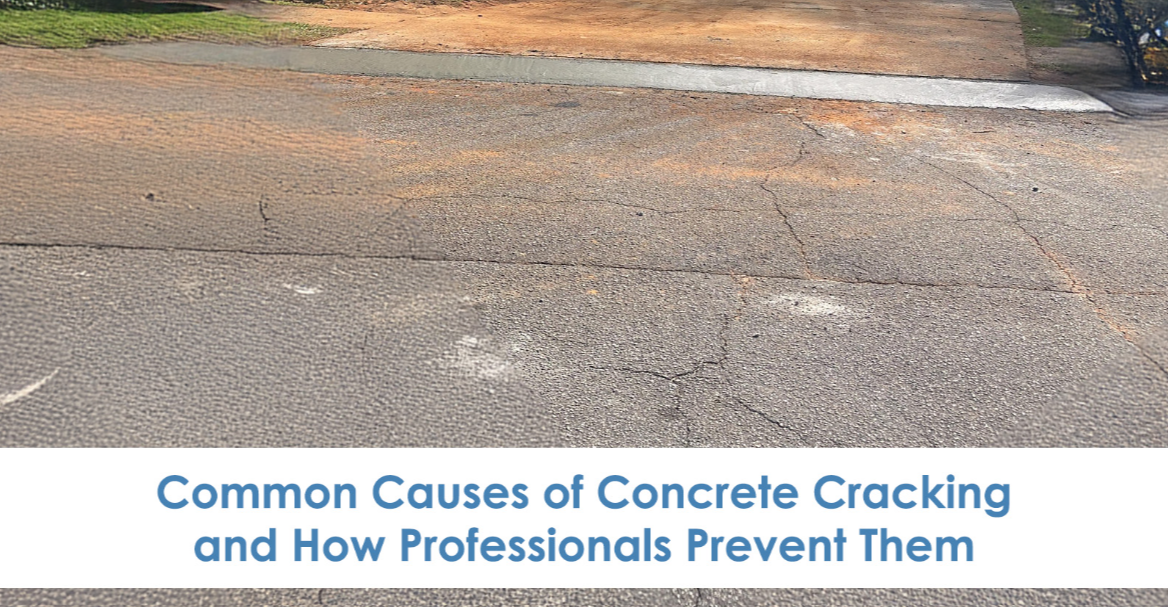
Understanding concrete cracking causes is essential for anyone involved in residential or commercial construction. Cracks are not always a sign of failure, but when they are preventable, they often point to design, material, or installation decisions that could have been handled differently.
Property owners, builders, and project managers working with professional contractors like Eterna Concrete benefit from experience-driven planning that reduces cracking risks and extends the service life of concrete surfaces. Prevention starts long before concrete is poured and continues through curing and maintenance.
- Concrete cracking causes often begin with improper mix design
- Environmental exposure accelerates surface and structural cracking
- Poor installation practices increase long-term damage risk
Concrete cracks rarely happen for a single reason. They are usually the result of multiple contributing factors acting together over time.
One of the Most Common Concrete Cracking Causes
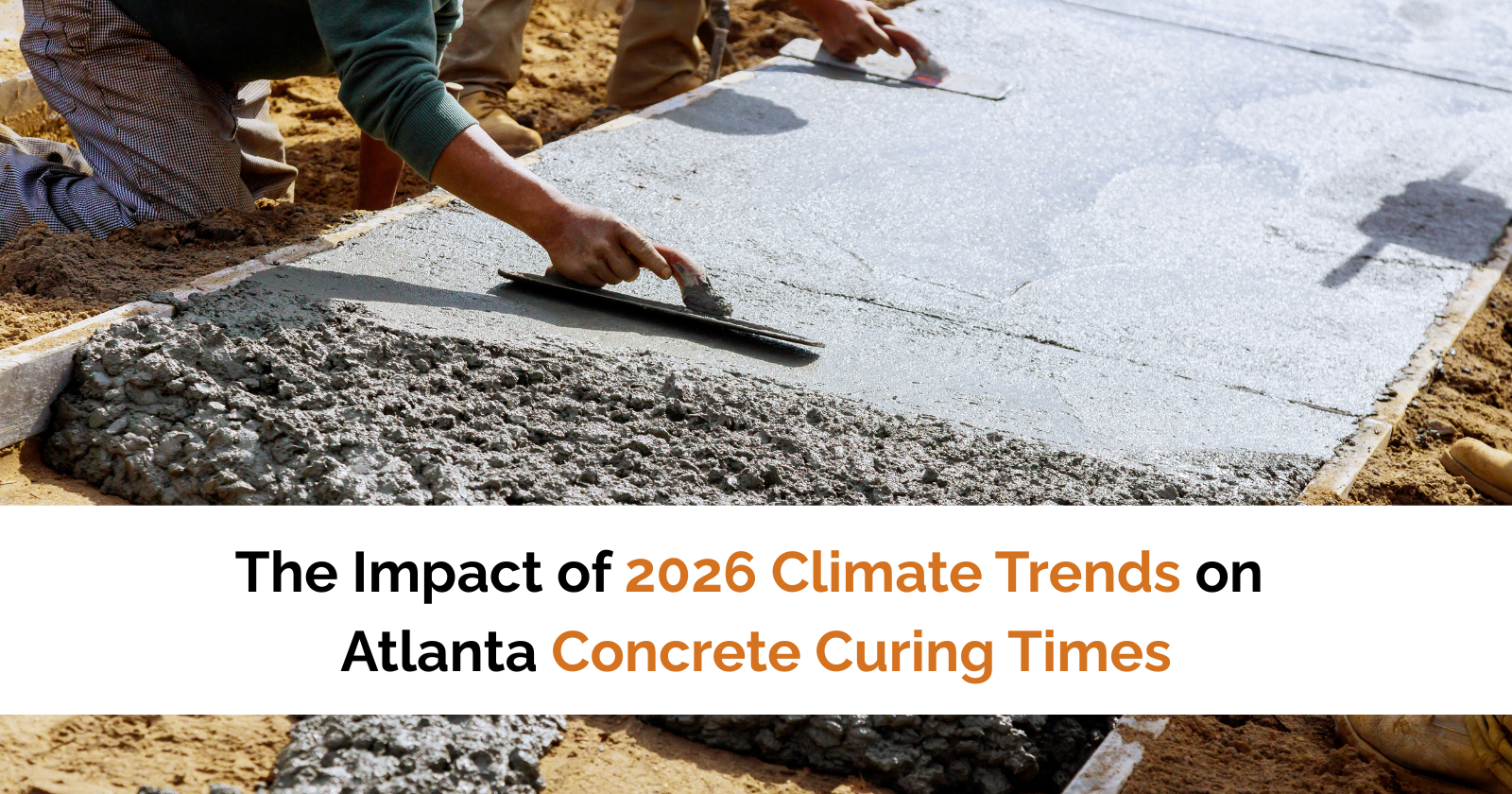
Shrinkage is one of the most widely recognized concrete cracking causes in both residential and commercial projects. As concrete cures, water evaporates from the mix, causing the material to contract. If this movement is restrained, cracking occurs.
Plastic shrinkage cracks typically appear within hours of placement, while drying shrinkage cracks develop over weeks or months. Professionals manage shrinkage by controlling water content, curing rates, and placement timing.
- Excess water in the mix increases shrinkage potential
- Rapid surface drying leads to early-age cracking
- Inadequate curing accelerates moisture loss
Effective curing practices significantly reduce shrinkage-related cracking and improve long-term durability.
Improper Subgrade Preparation and Settlement Issues
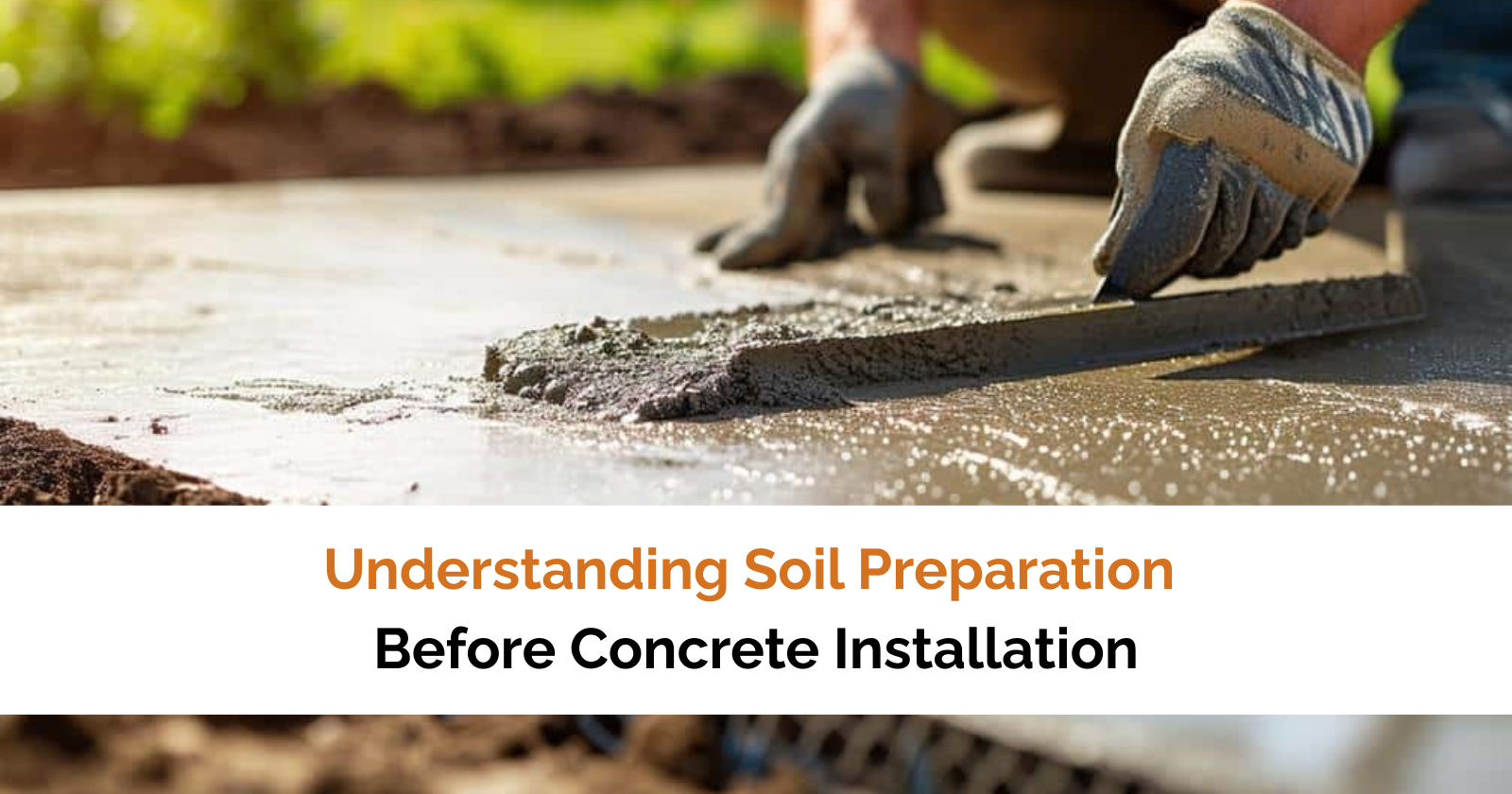
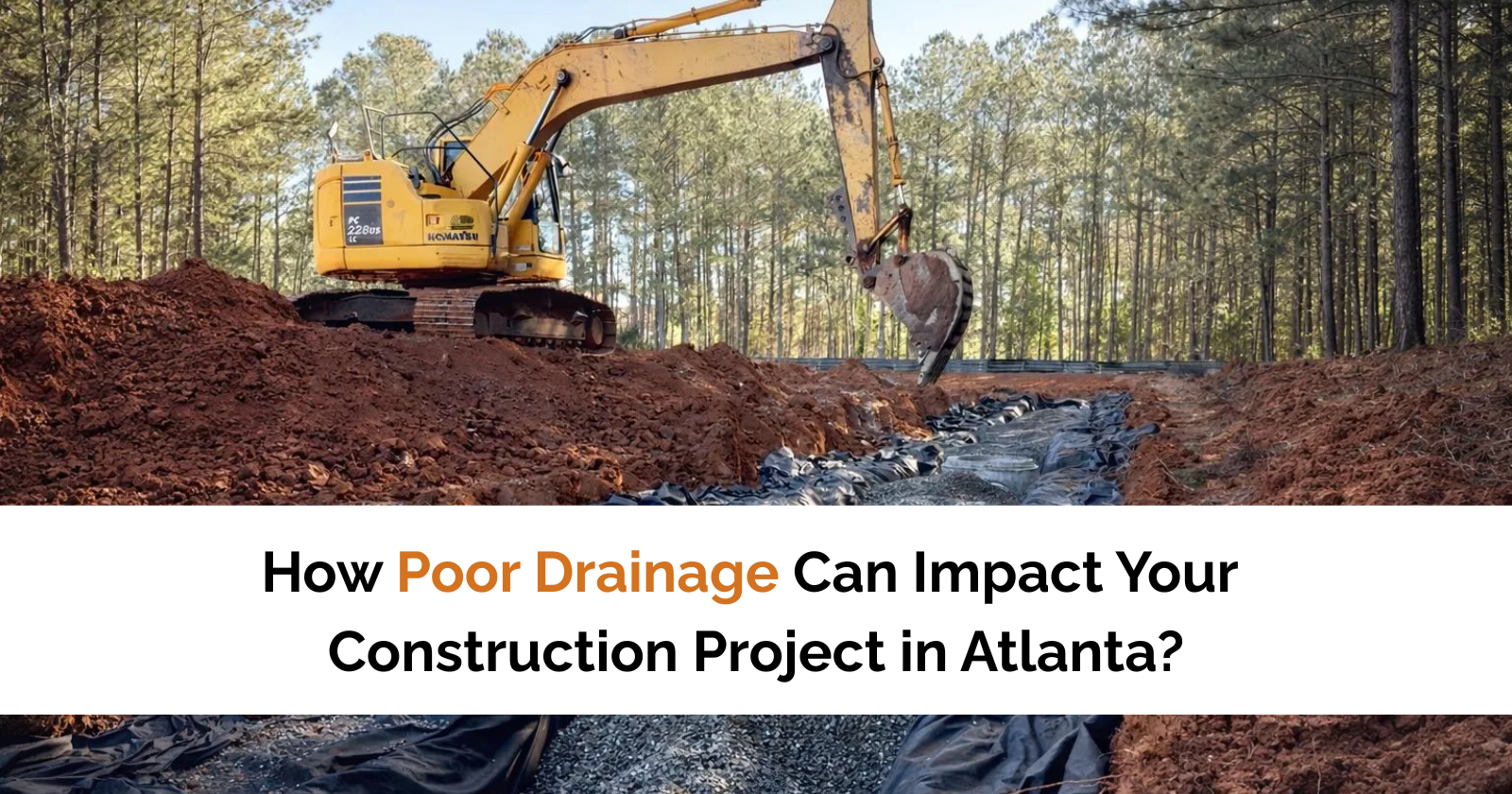
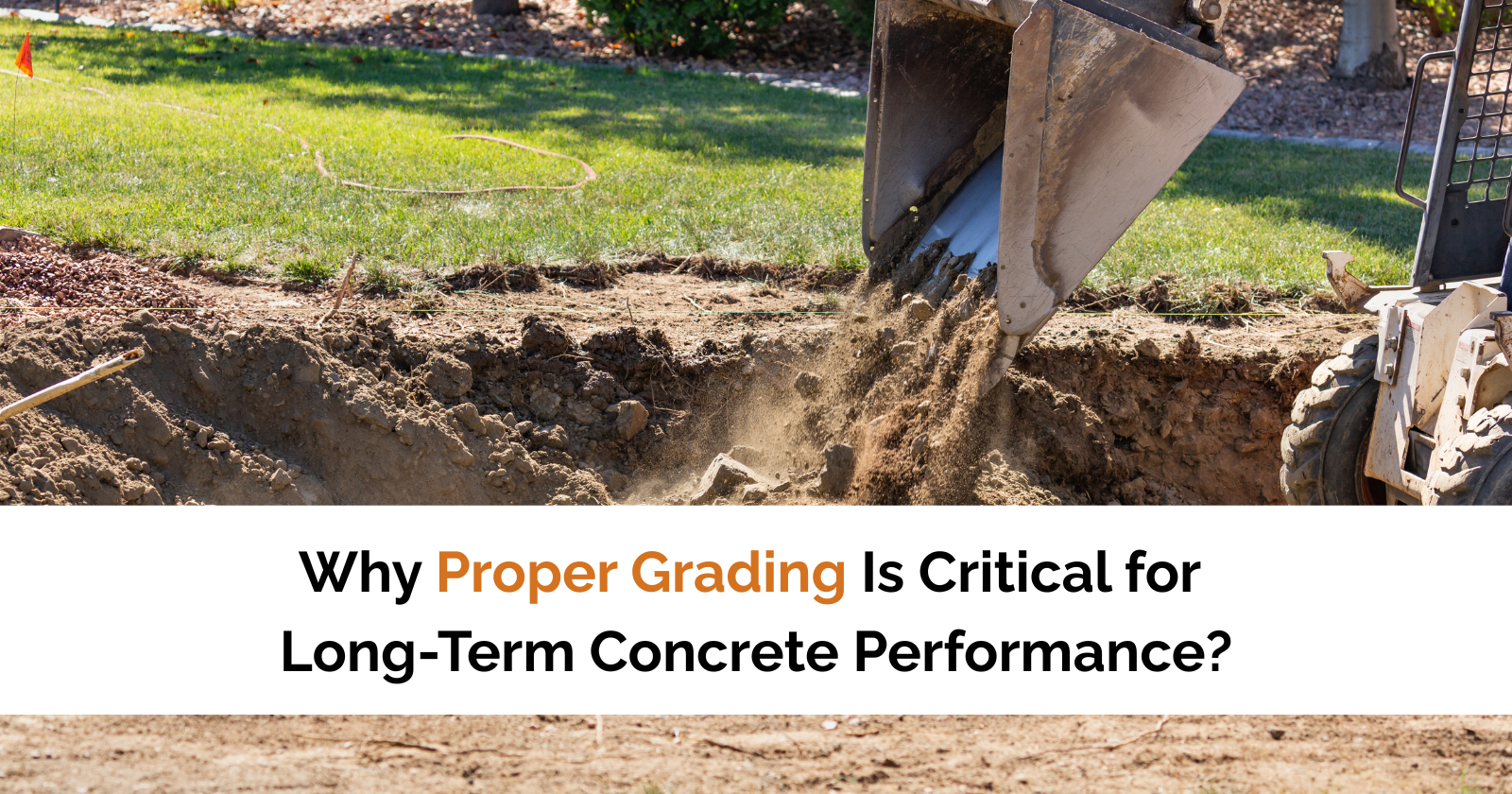
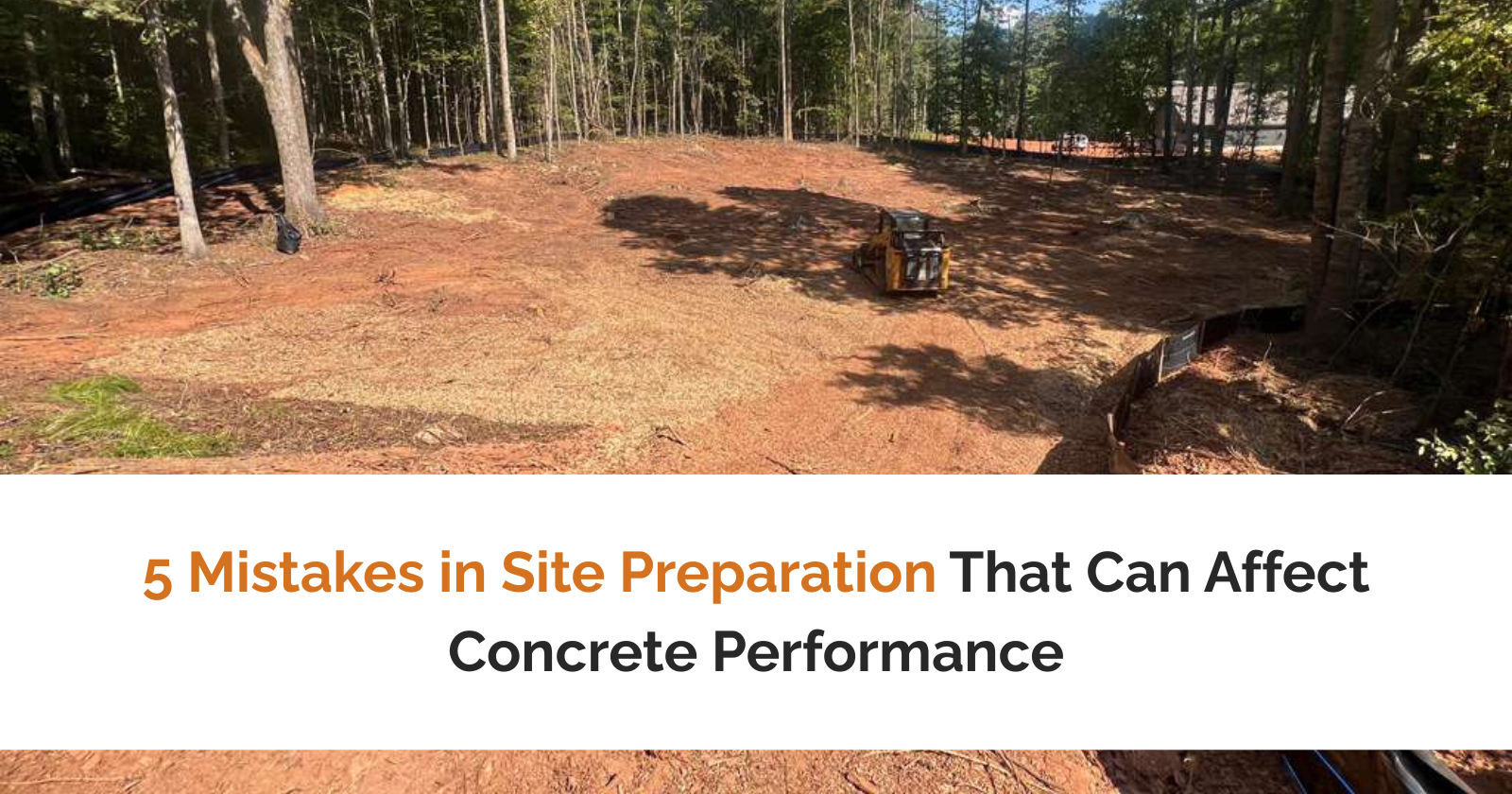
Another critical contributor to concrete cracking causes is inadequate subgrade preparation. Concrete relies on uniform support from the ground beneath it. When soil is poorly compacted or inconsistent, the slab may settle unevenly.
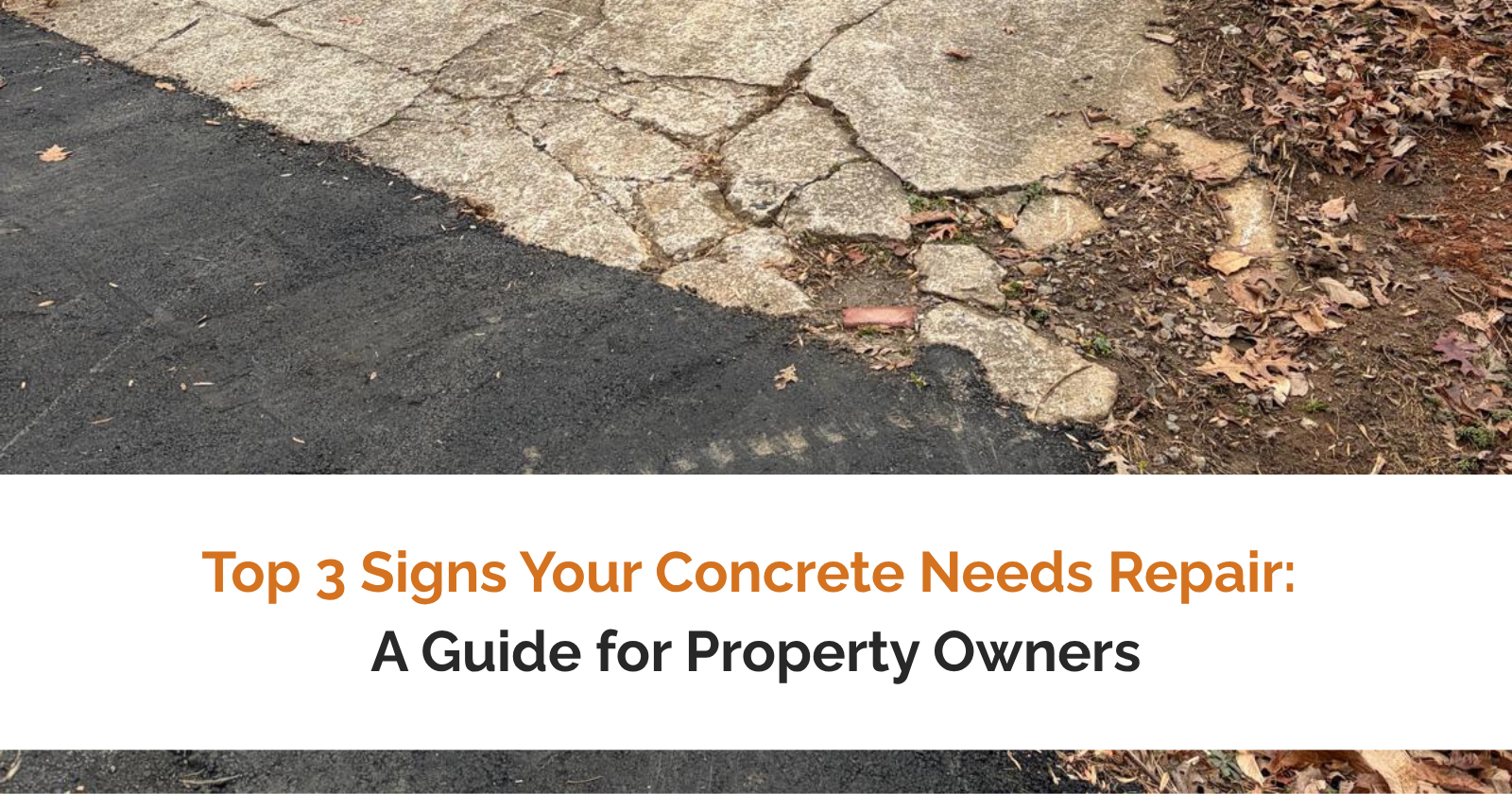
Settlement cracks often appear as wider, irregular patterns and may worsen over time. Professionals prevent these issues by evaluating soil conditions, compacting subgrades properly, and using base materials that provide consistent support.
- Poor soil compaction leads to uneven slab support
- Moisture changes beneath slabs cause movement
- Inadequate base thickness increases stress concentration
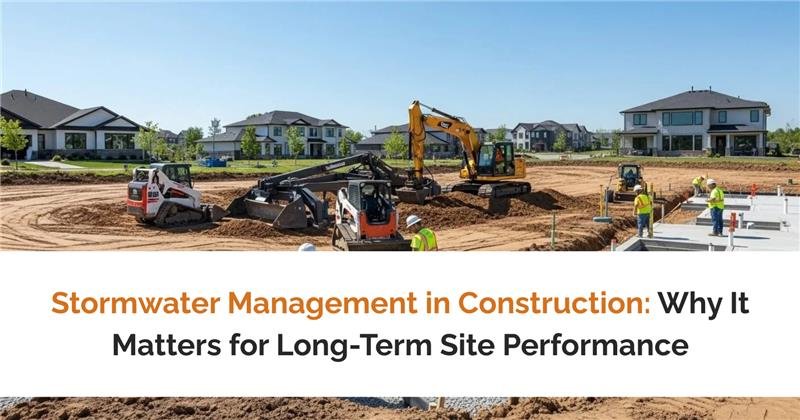
Proper site preparation is one of the most effective ways to prevent structural cracking before concrete is placed.
Thermal Movement and Temperature-Related Cracking
Concrete expands when heated and contracts when cooled. Temperature fluctuations are a major factor in concrete cracking causes, especially in exterior slabs exposed to seasonal changes.
Thermal cracking occurs when concrete movement is restrained by adjacent structures or insufficient joint spacing. Professionals account for temperature effects by installing control joints and planning pours during favorable weather conditions.
- Wide temperature swings increase expansion stress
- Lack of control joints restricts natural movement
- Improper joint spacing leads to random cracking
Well-designed joint systems allow concrete to move safely without visible damage.
Overloading and Structural Stress Factors
Concrete is strong in compression but weaker in tension. Excessive loads are among the most preventable concrete cracking causes when projects are properly designed.
Residential slabs may crack when subjected to loads beyond their intended use, while commercial floors require higher-strength mixes to handle heavy equipment or vehicle traffic. Professionals calculate load requirements and select appropriate concrete strength accordingly.
- Under-designed slabs crack under repeated loading
- Heavy equipment increases stress concentrations
- Improper reinforcement placement reduces load resistance
Matching concrete design to actual use conditions is critical for long-term performance.
Poor Construction Practices and Workmanship Errors
Many concrete cracking causes stem from avoidable construction mistakes. Improper finishing, rushed placement, or incorrect timing can weaken the surface and structure of concrete.
Professionals follow established best practices, including correct finishing techniques, proper reinforcement positioning, and controlled curing conditions. These steps ensure the concrete reaches its intended strength and durability.
- Over-finishing traps water at the surface
- Incorrect reinforcement placement reduces crack control
- Inadequate curing weakens concrete structure
Experienced contractors understand that quality workmanship is as important as material selection.
How Professionals Prevent Concrete Cracking
Preventing cracks requires a systematic approach that addresses concrete cracking causes at every stage of a project. Professionals focus on planning, execution, and long-term performance.
- Accurate mix design tailored to project conditions
- Proper subgrade preparation and reinforcement placement
- Controlled curing methods and joint installation
These preventative measures significantly reduce cracking risk and improve structural reliability across residential and commercial projects.
Why Professional Expertise Matters in Crack Prevention
Concrete cracking is rarely accidental. It is usually the result of overlooked details or shortcuts taken during design or installation. Professional contractors rely on proven methods, standards, and experience to minimize cracking risks.
By understanding how materials behave and how environmental and structural factors interact, professionals deliver concrete that performs as intended. This approach protects investments, reduces maintenance costs, and ensures long-term safety.
Prevent Concrete Cracking with the Right Expertise
Understanding concrete cracking causes is the first step toward long-lasting concrete performance. At Eterna Concrete, our team works closely with homeowners, builders, and commercial project teams to apply proven construction practices that reduce cracking risks and support structural durability. If you’re planning a concrete project and want expert guidance from professionals who prioritize quality and longevity, Contact Us to discuss your project requirements with confidence.