Choosing between stamped concrete vs traditional concrete is a common decision faced by homeowners, builders, and project planners. Both materials are structurally sound when installed correctly, but they differ significantly in appearance, cost considerations, maintenance requirements, and ideal use cases. Understanding these differences helps ensure the chosen surface meets both functional and visual expectations.
When evaluating surface options for patios, driveways, walkways, or commercial spaces, guidance from experienced professionals such as Eterna Concrete helps align material selection with project goals, site conditions, and long-term durability requirements.
- Stamped concrete offers decorative finishes designed to resemble stone, brick, or tile
- Traditional concrete provides a clean, uniform surface focused on function
- Project purpose often determines which option delivers better long-term value
Both materials rely on the same base concrete structure but differ in surface treatment and finishing processes.
What Is Traditional Concrete and Where It Works Best
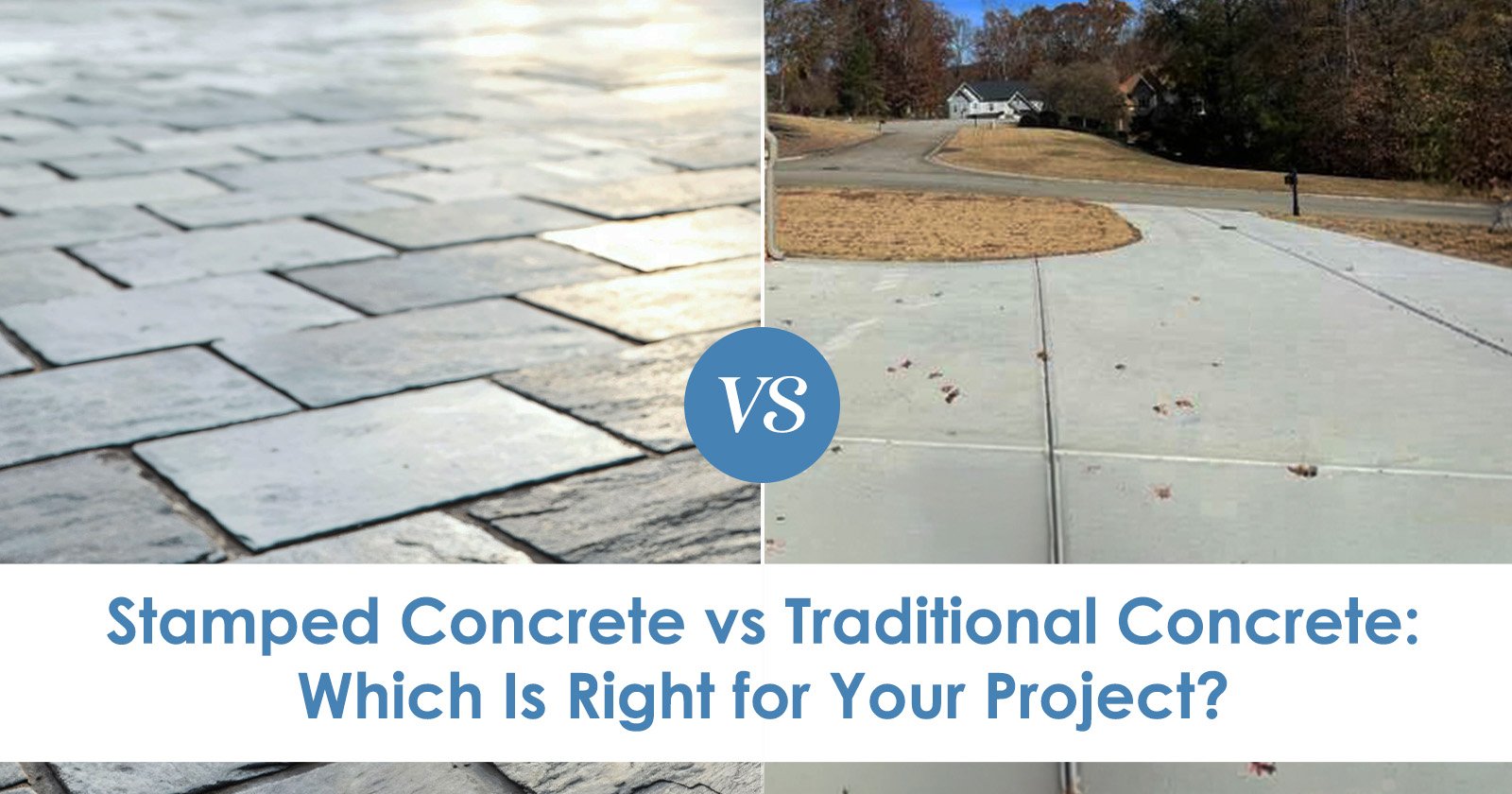
Traditional concrete is a standard concrete surface finished with a smooth, broomed, or lightly textured appearance. It is widely used in residential and commercial construction because of its reliability, affordability, and straightforward installation process.
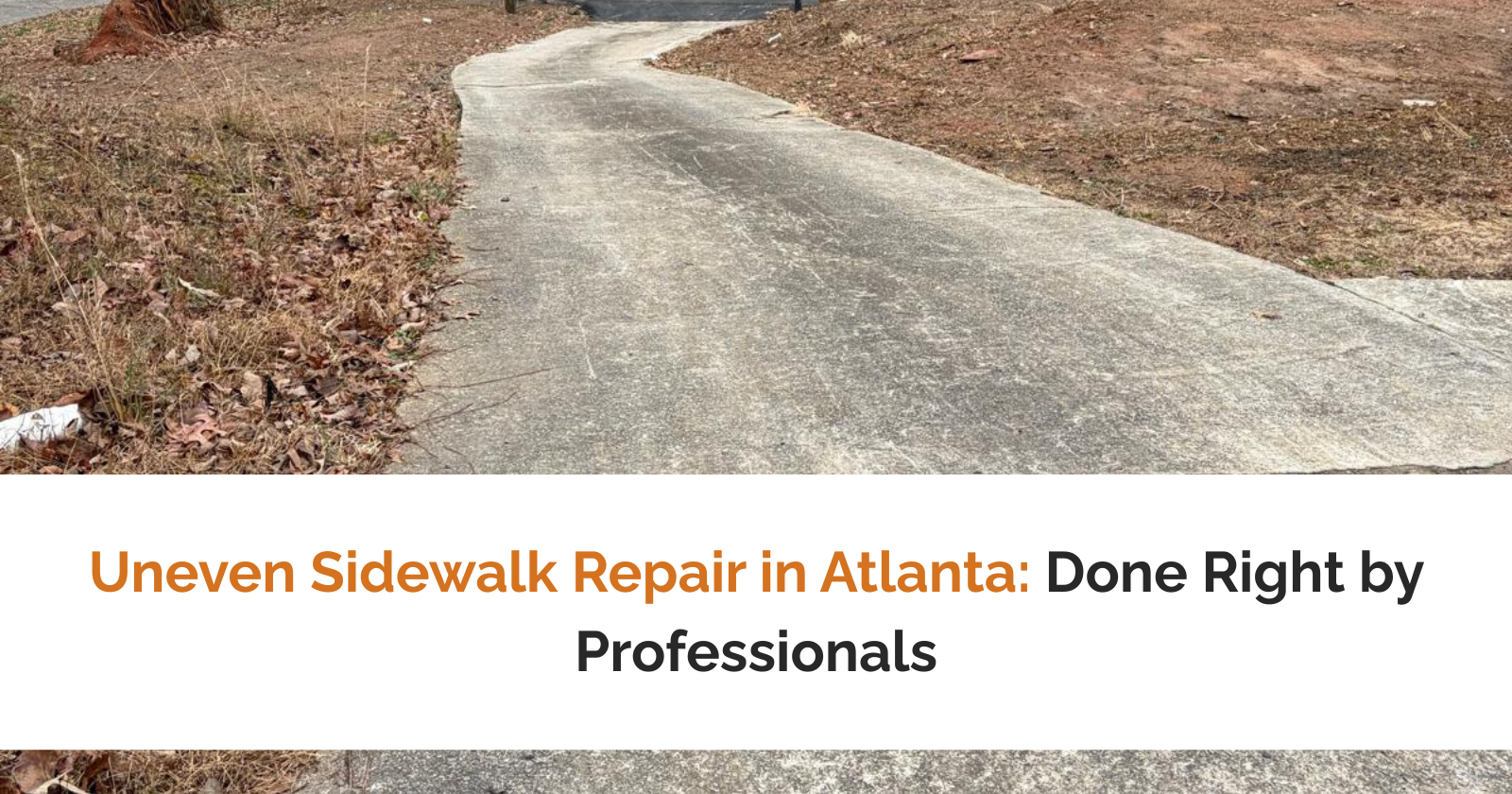
This type of concrete performs well in high-traffic areas where appearance is secondary to strength and ease of maintenance. Sidewalks, warehouse floors, utility slabs, and industrial spaces often rely on traditional concrete for consistent performance over time.
- Cost-effective material for large surface areas
- Minimal finishing requirements
- Easy to repair and maintain
Its simplicity makes it a practical choice when visual enhancement is not a primary concern.
Understanding Stamped Concrete and Its Design Appeal
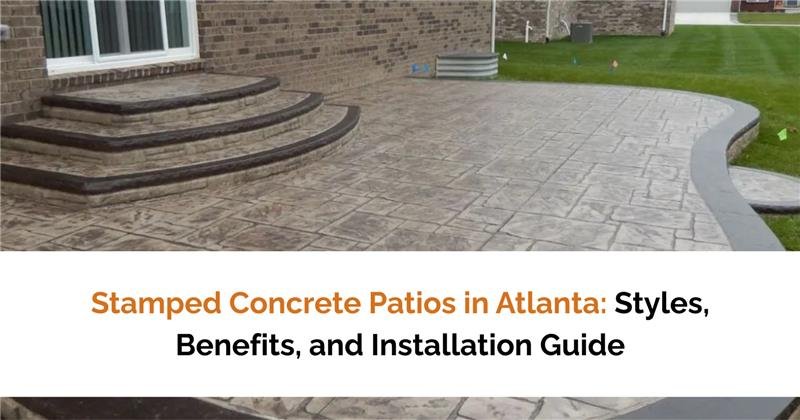
Stamped concrete is a decorative surface created by imprinting patterns and textures into freshly placed concrete. These patterns replicate the look of materials such as natural stone, slate, or brick while retaining the strength of concrete.
This option is commonly chosen for patios, driveways, pool decks, and entryways where appearance matters. Because the decorative layer is part of the concrete surface, stamped concrete offers visual versatility without introducing additional structural layers.
- Enhances curb appeal through texture and pattern
- Customizable colors and finishes
- Suitable for both residential and select commercial spaces
When installed correctly, stamped surfaces maintain durability comparable to standard concrete.
Durability and Structural Performance Comparison
From a structural standpoint, there is no inherent strength difference between stamped concrete vs traditional concrete. Both rely on the same concrete mix and base preparation. Durability depends more on installation quality, subgrade preparation, and curing practices than on surface appearance.
However, stamped surfaces require additional care during finishing to prevent surface imperfections. Improper sealing or curing can impact longevity, making professional workmanship critical for decorative applications.
- Proper curing ensures long-term strength
- Adequate joint placement prevents random cracking
- Quality sealing protects decorative finishes
Both options perform reliably when construction standards are followed.
Maintenance and Long-Term Care Considerations
Maintenance requirements differ between stamped concrete vs traditional concrete. Traditional surfaces typically require minimal upkeep beyond routine cleaning and occasional crack repair.
Stamped surfaces require periodic resealing to preserve color, protect against moisture, and maintain surface integrity. While this adds maintenance responsibility, it also helps extend the lifespan of the decorative finish.
- Resealing intervals depend on traffic and exposure
- Proper cleaning prevents surface wear
- Maintenance preserves appearance and durability
Understanding maintenance expectations helps avoid unexpected long-term costs.
Cost Differences and Budget Planning
Cost is a key factor when comparing stamped concrete vs traditional concrete. Traditional concrete generally has lower upfront costs due to simpler installation and fewer finishing steps.
Stamped concrete involves additional labor, pattern tools, coloring agents, and sealing processes, which increase initial investment. However, many property owners consider the enhanced appearance and potential property value improvement worth the added cost.
Cost decisions should account for both installation and long-term maintenance expenses rather than upfront pricing alone.
Best Use Cases for Each Concrete Type
Project purpose often determines the most appropriate material choice. Traditional concrete is ideal for functional surfaces where performance and durability take priority over appearance.
- Utility slabs and service areas
- Commercial sidewalks and access paths
- Industrial and warehouse flooring
Stamped concrete suits areas where aesthetics contribute to property value or user experience, such as patios, courtyards, and entry features.
Making the Right Choice for Your Project
Choosing between stamped concrete vs traditional concrete should be based on function, budget, maintenance commitment, and design goals. Both options offer reliable performance when properly installed, but they serve different project priorities.
Consulting experienced professionals ensures that surface selection aligns with structural needs, environmental conditions, and long-term expectations. The right choice balances appearance with performance rather than favoring one factor exclusively.
Contact Eterna Concrete for Expert Guidance
Selecting between stamped concrete vs traditional concrete requires more than visual preference; it demands an understanding of performance, maintenance, and long-term value. At Eterna Concrete, our team works closely with homeowners, builders, and commercial project teams to recommend concrete solutions that align with structural demands and design goals. If you’re planning a concrete project and want expert insight tailored to your needs, Contact Us to discuss your project with experienced professionals.