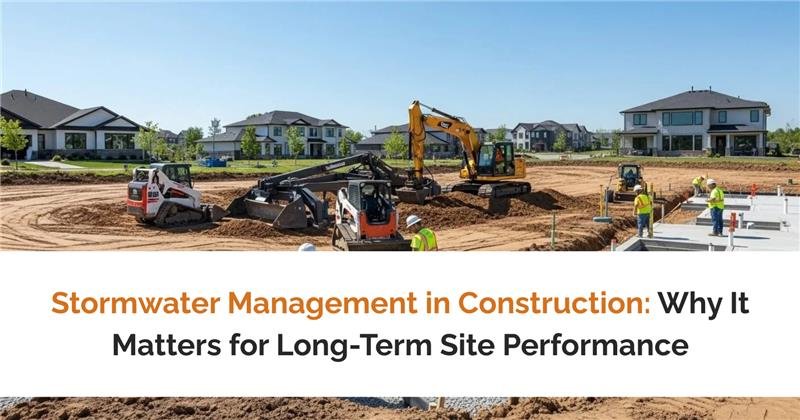
Concrete failures rarely start at the surface. In most cases, the real problem lies beneath. Poor ground conditions, inadequate drainage, or rushed preparation often weaken even well-mixed concrete. This is why proper site preparation remains one of the most critical factors in long-term structural performance across residential, commercial, and industrial projects.
Concrete is only as strong as the base supporting it. Proper site preparation for concrete begins long before the material is poured, because long-term durability depends on what happens at ground level first. Without correct preparation, issues such as cracking, settlement, and premature surface wear become unavoidable outcomes rather than rare exceptions.
Why Site Preparation Determines Concrete Longevity
Concrete is designed to handle compressive loads, but it cannot compensate for unstable soil or trapped moisture beneath it. When the subgrade shifts or absorbs water unevenly, stress transfers directly into the slab, increasing the risk of cracking and surface distortion.
Professionally executed concrete site preparation creates uniform support across the entire slab area. This consistency allows the concrete to cure evenly and perform as intended over time, even under heavy loads or changing weather conditions.
Ignoring this phase may reduce upfront costs, but it significantly increases long-term repair and maintenance expenses.
Understanding the Ground Before Concrete Placement
No two sites are the same. Soil composition varies widely depending on location, moisture levels, and prior land use. Clay soils expand and contract, sandy soils drain quickly but may lack cohesion, and organic soils are unsuitable for load-bearing concrete.
Evaluating soil conditions is a fundamental part of proper site preparation for concrete. This process helps determine whether soil improvement, replacement, or reinforcement is required before construction continues.
A prepared site ensures that the concrete rests on a stable, predictable base rather than uncertain ground conditions
Core Steps That Build a Reliable Concrete Base
Site preparation follows a structured process that supports both performance and safety:
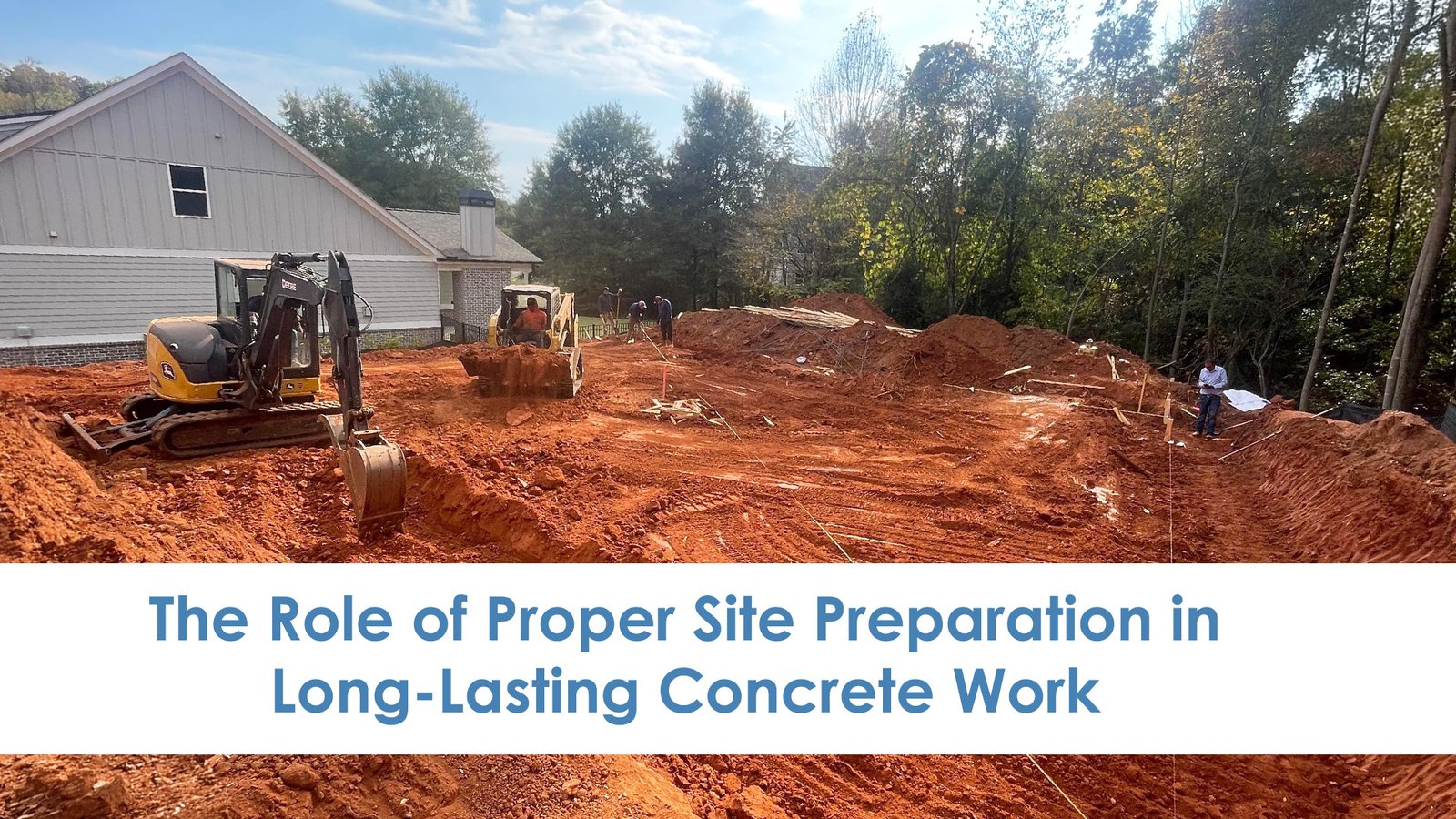
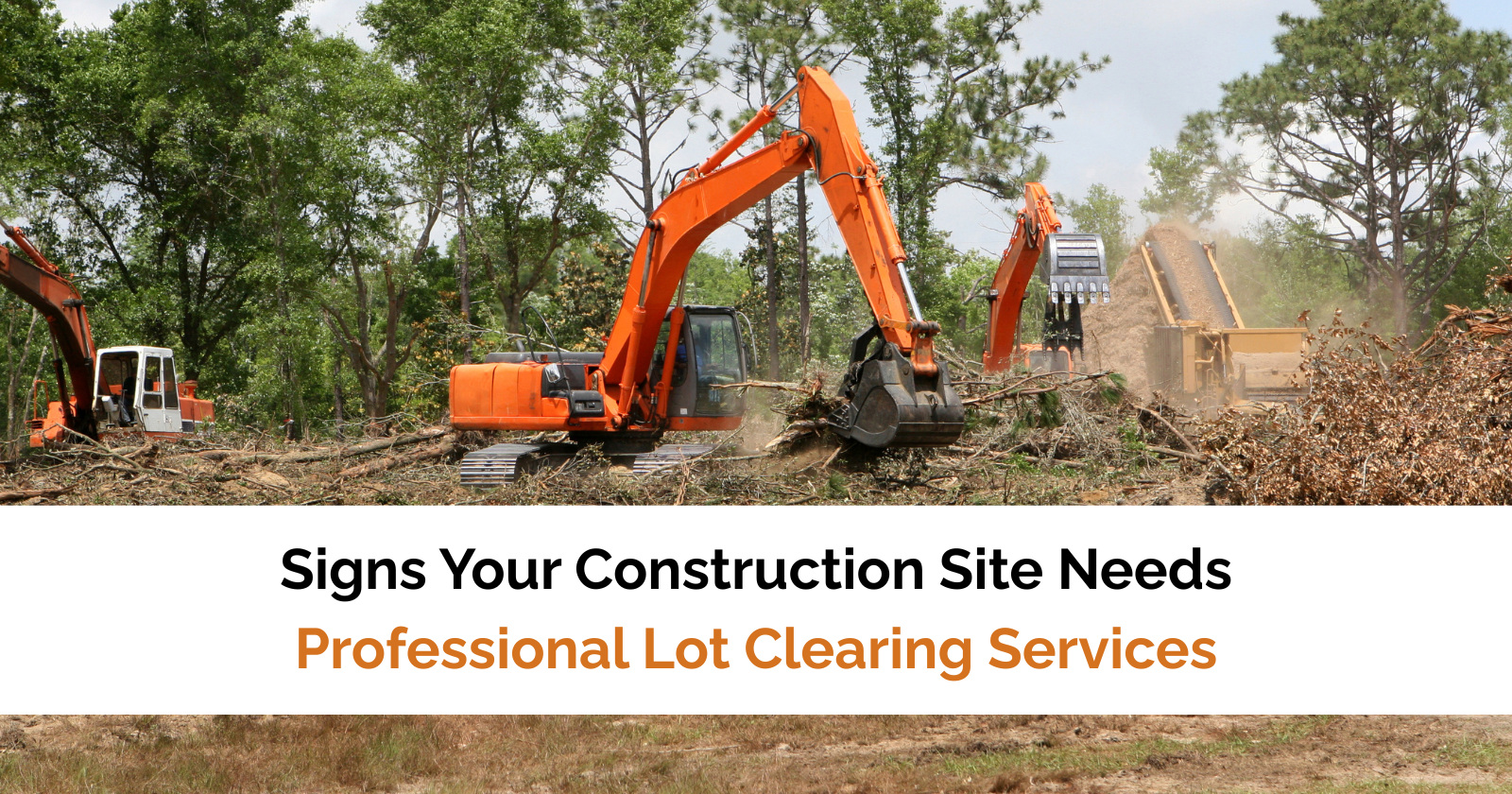
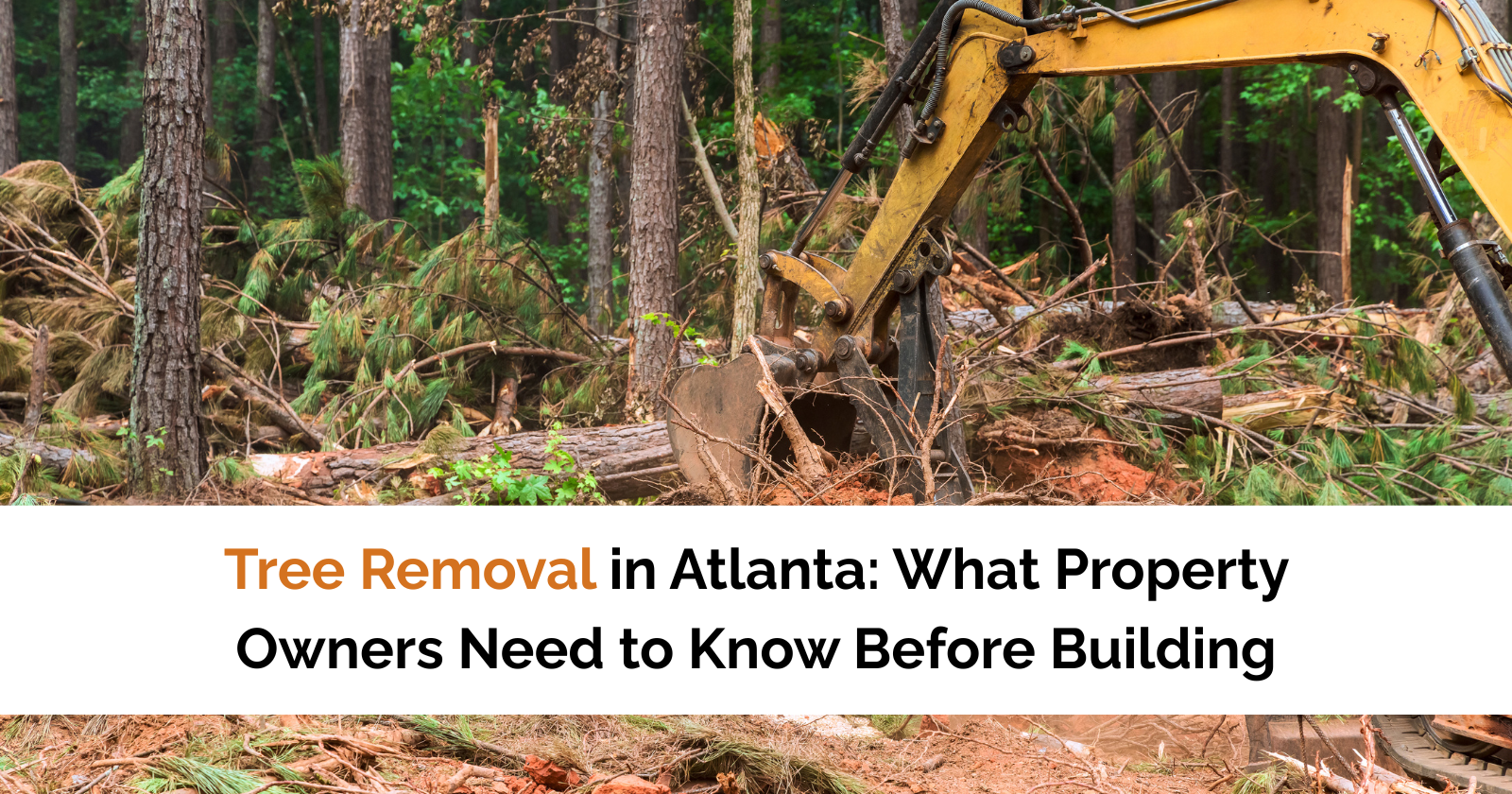
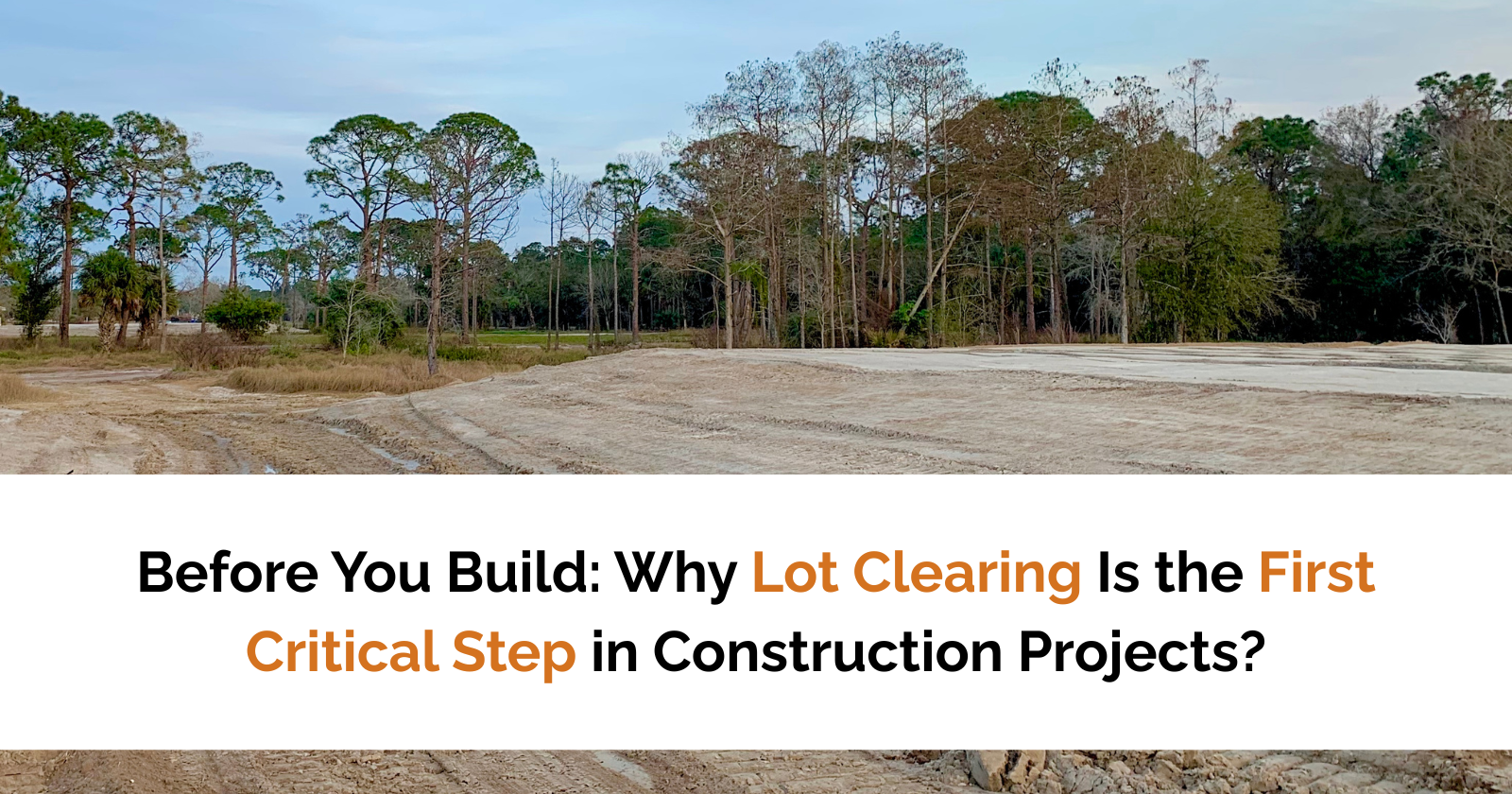
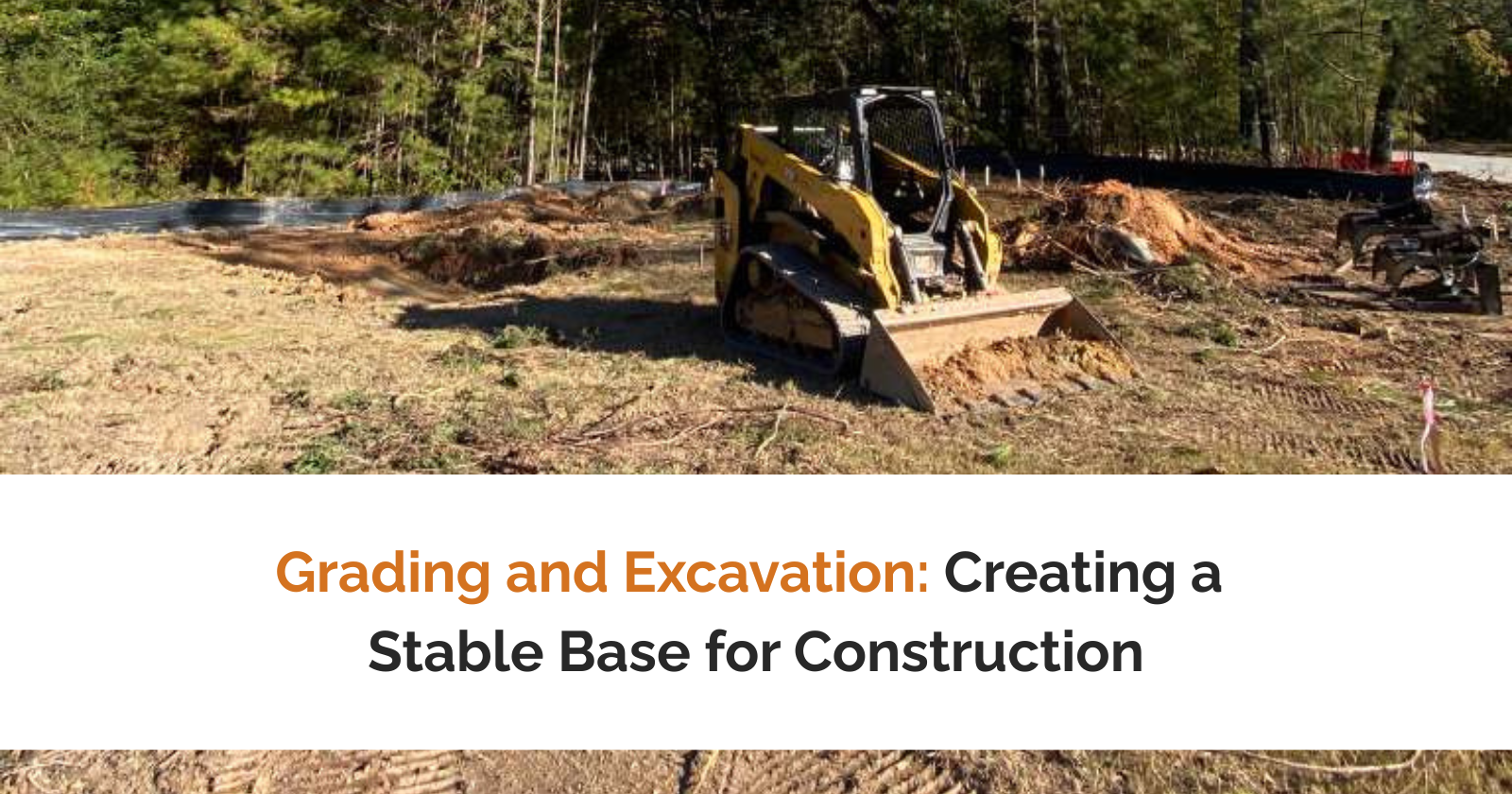
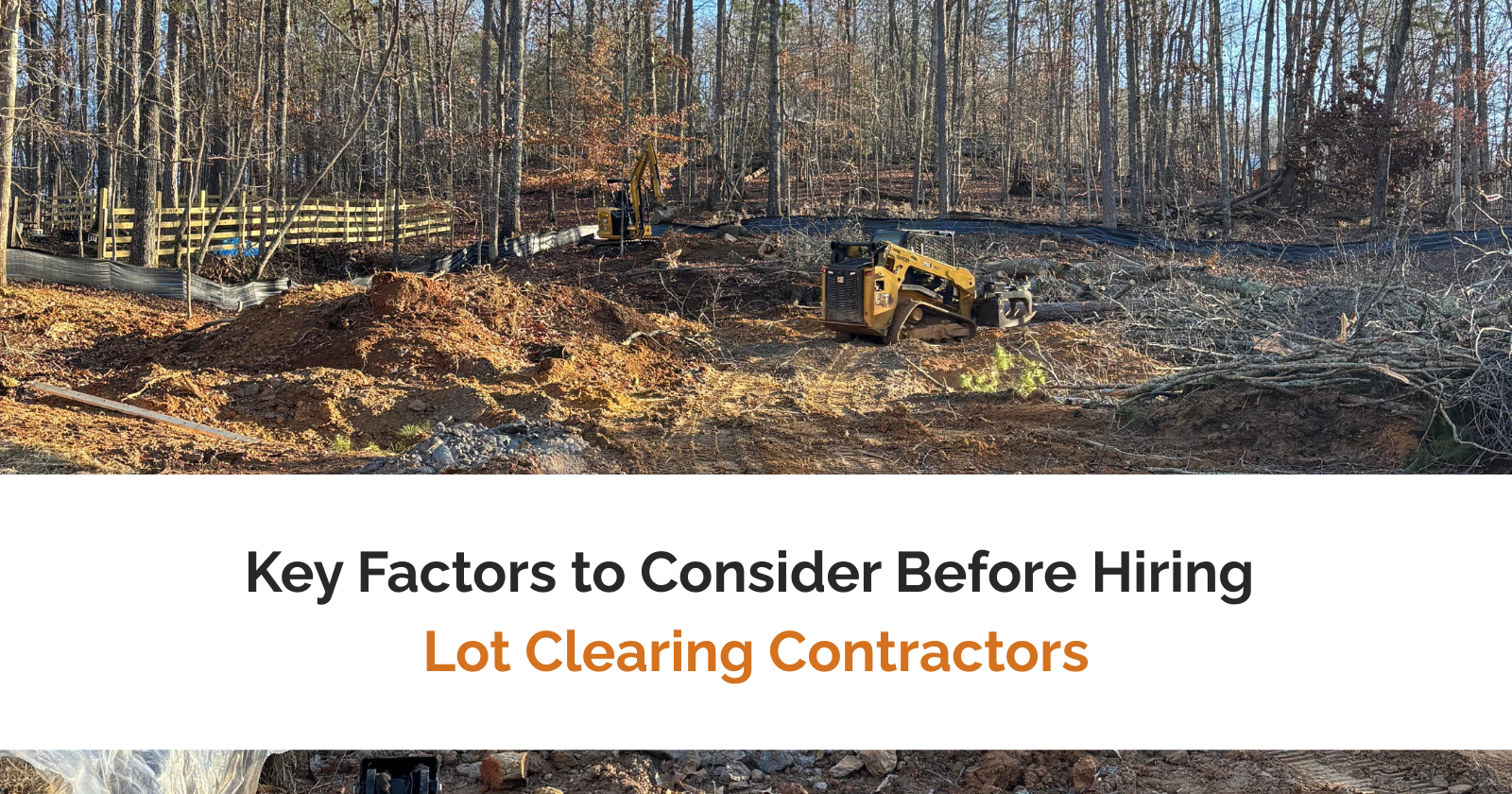
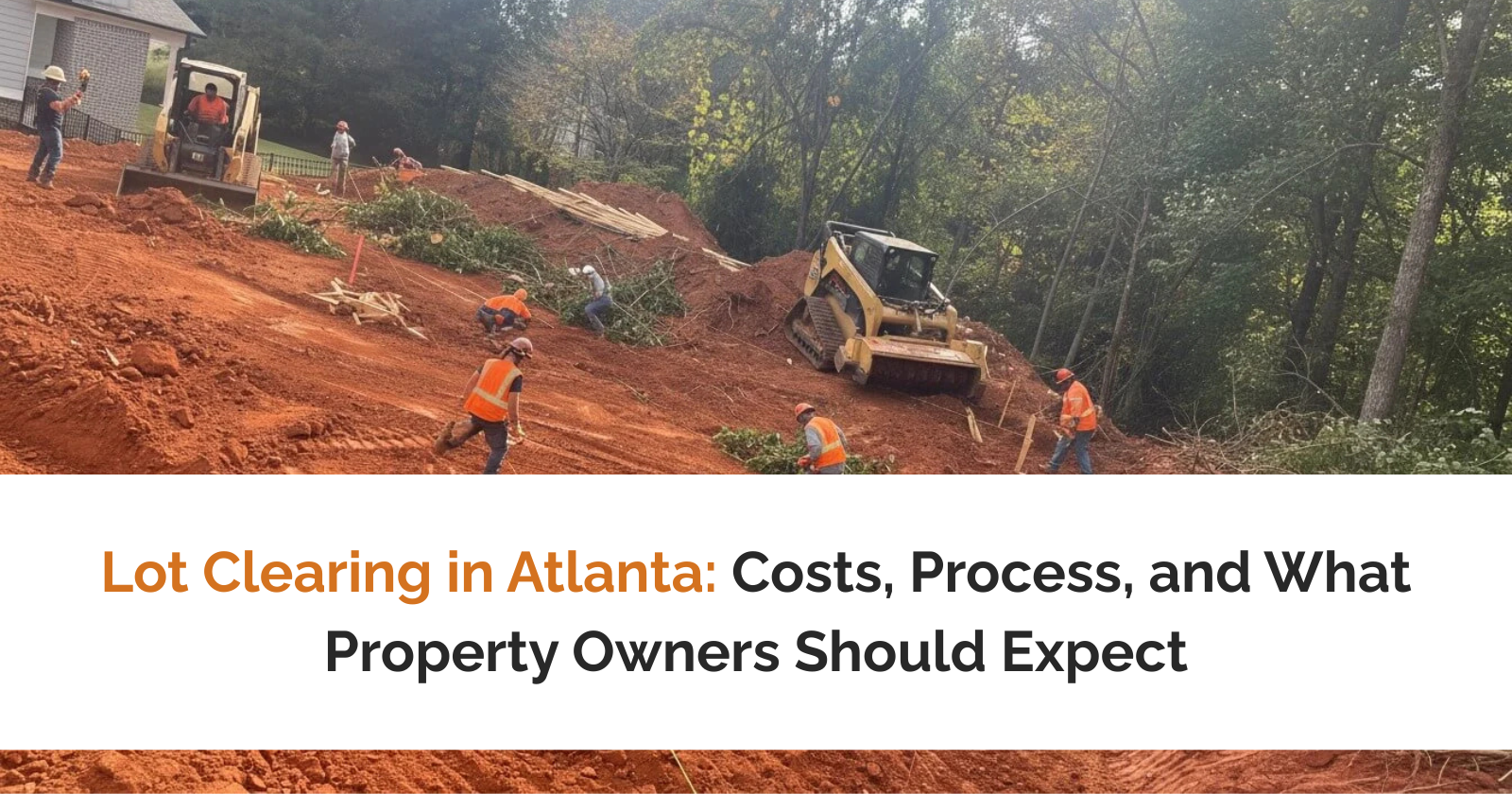
- Clearing and excavation to remove vegetation, debris, and unsuitable soil
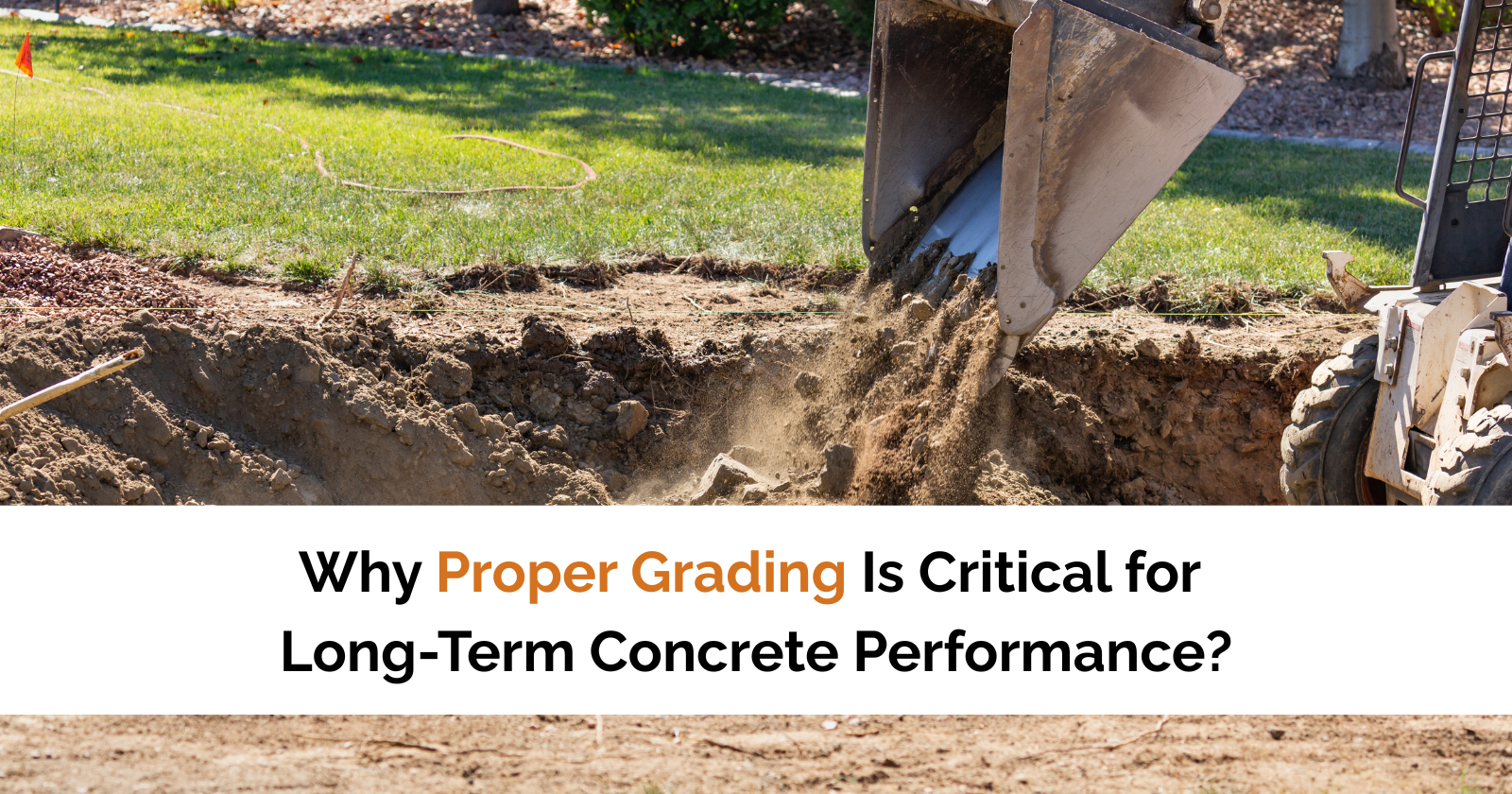
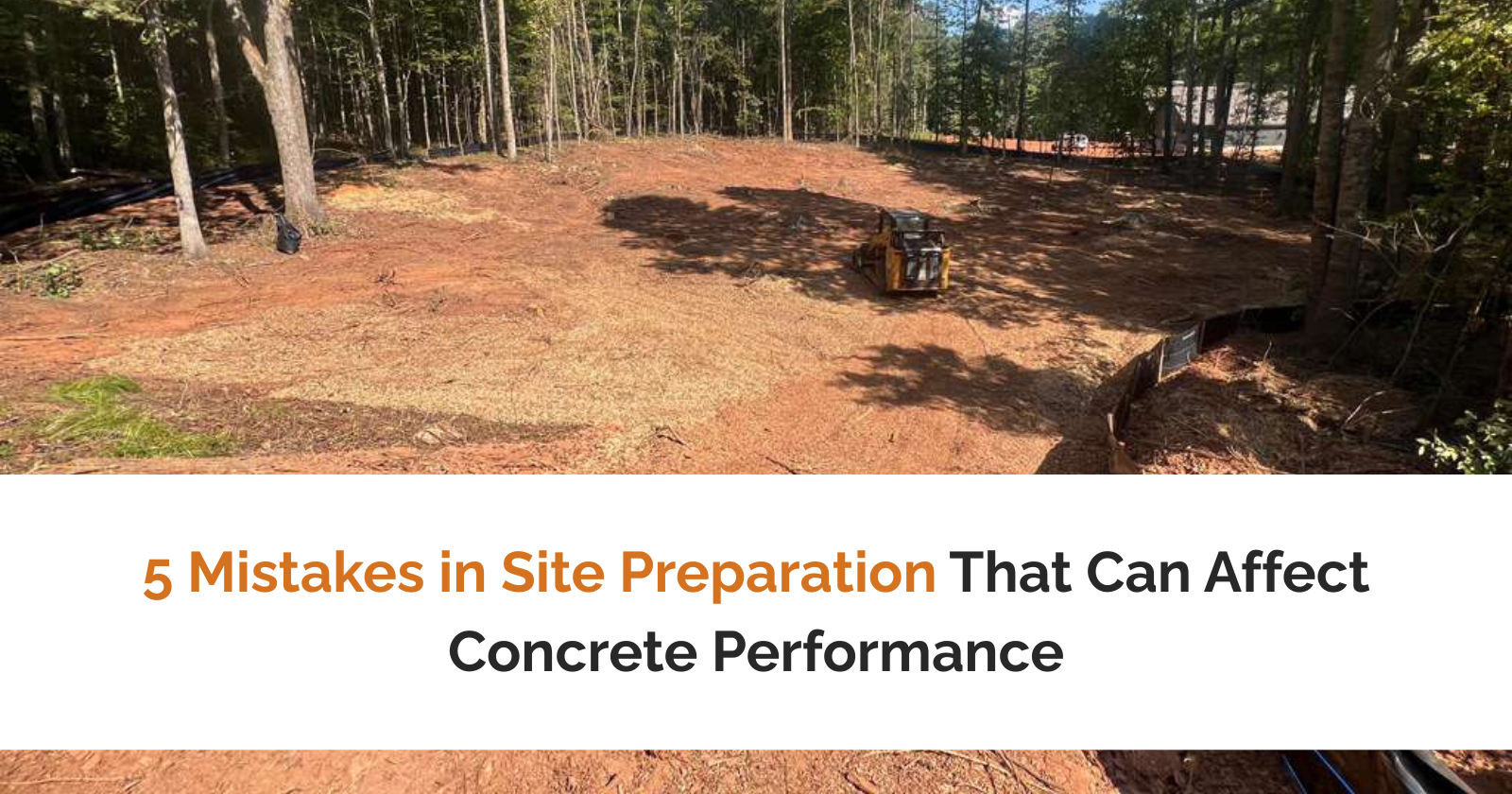
- Grading to achieve level surfaces and controlled water flow
- Soil compaction for concrete to reduce future settlement and movement
Each step works together to eliminate weak points that could compromise the concrete structure later. Skipping or rushing any of these steps undermines the integrity of the entire project.
The Role of Grading and Drainage in Concrete Durability
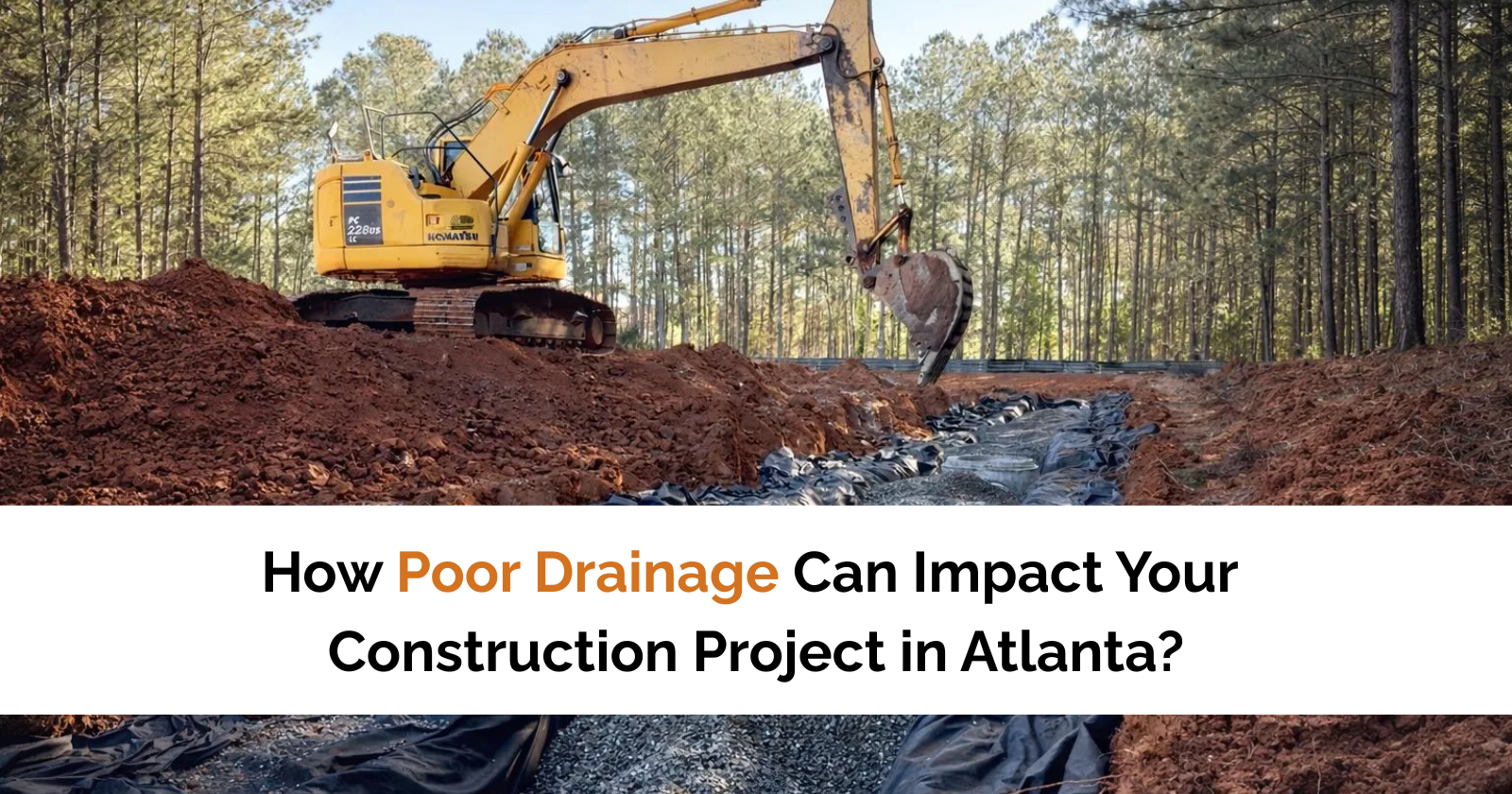
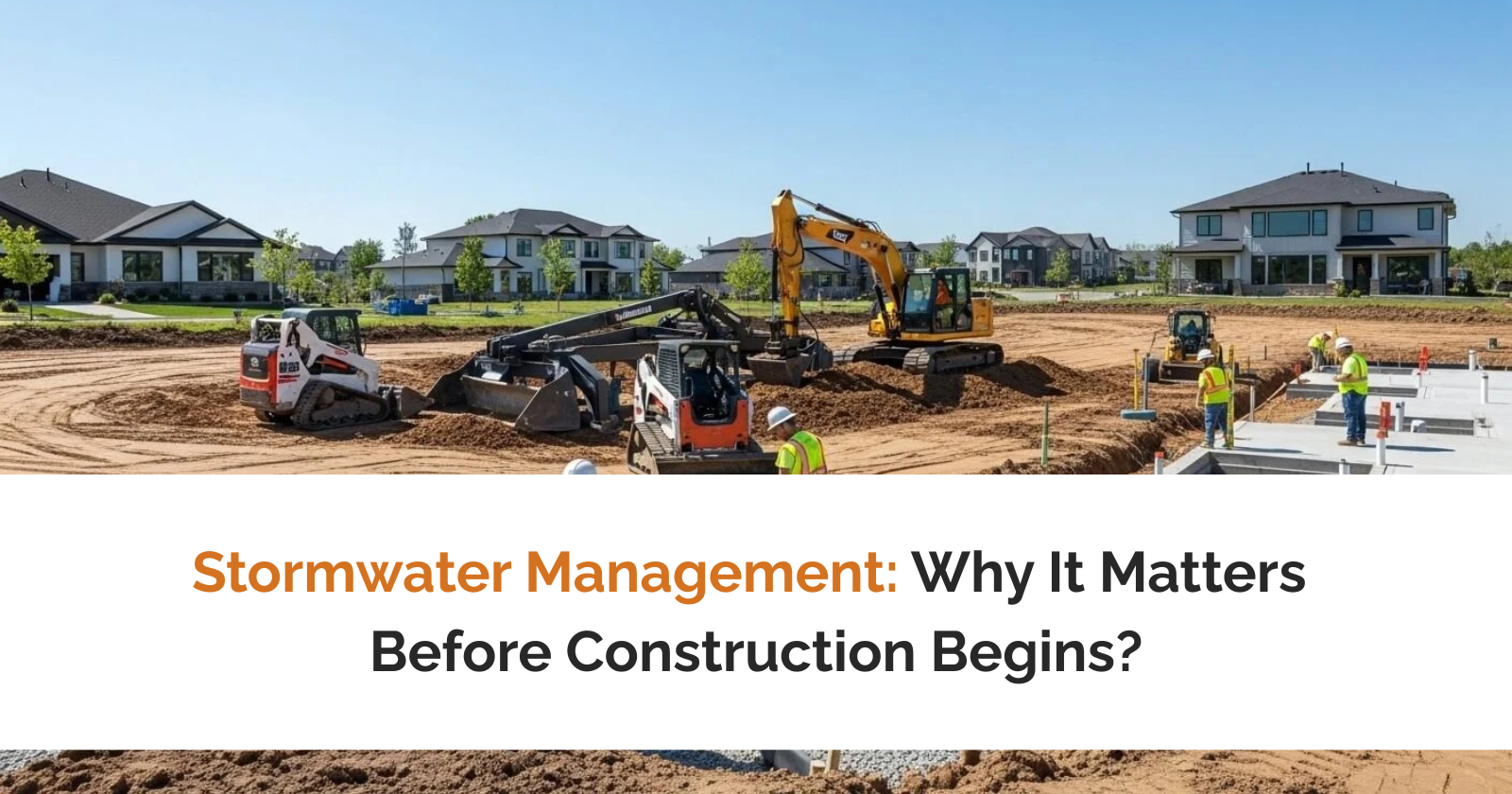
Water is one of the most damaging forces affecting concrete foundations. Poor drainage allows moisture to collect beneath slabs, weakening the soil and increasing freeze-thaw stress in colder conditions.
Effective grading and drainage for concrete directs water away from the structure before it becomes a problem. Sloped surfaces, controlled runoff paths, and proper base materials prevent long-term moisture damage.
This preparation step protects both the concrete and the surrounding structure from erosion, settlement, and surface deterioration.
Why Soil Compaction Cannot Be Overlooked
Compaction strengthens the soil by reducing air gaps and increasing density. Without adequate compaction, soil settles unevenly over time, causing concrete slabs to crack or shift.
Professional crews use mechanical equipment to achieve consistent compaction levels suited to the soil type and project demands:
- Improves load distribution beneath slabs
- Reduces future ground movement
- Supports a stable foundation concrete system
This step directly affects the lifespan of the concrete installation and should never be treated as optional.
Site Preparation and Construction Efficiency
Beyond structural performance, site preparation also affects project timelines and safety. A properly prepared site allows crews to work efficiently without delays caused by unstable ground or drainage corrections.
Clear access, level surfaces, and predictable soil behavior reduce rework and help maintain project schedules. This efficiency is especially important on commercial and infrastructure projects where delays carry significant cost implications.
Good preparation sets the tone for smooth execution across all construction phases.
Long-Term Risks of Inadequate Site Preparation
Projects that skip or minimize preparation often experience recurring problems:
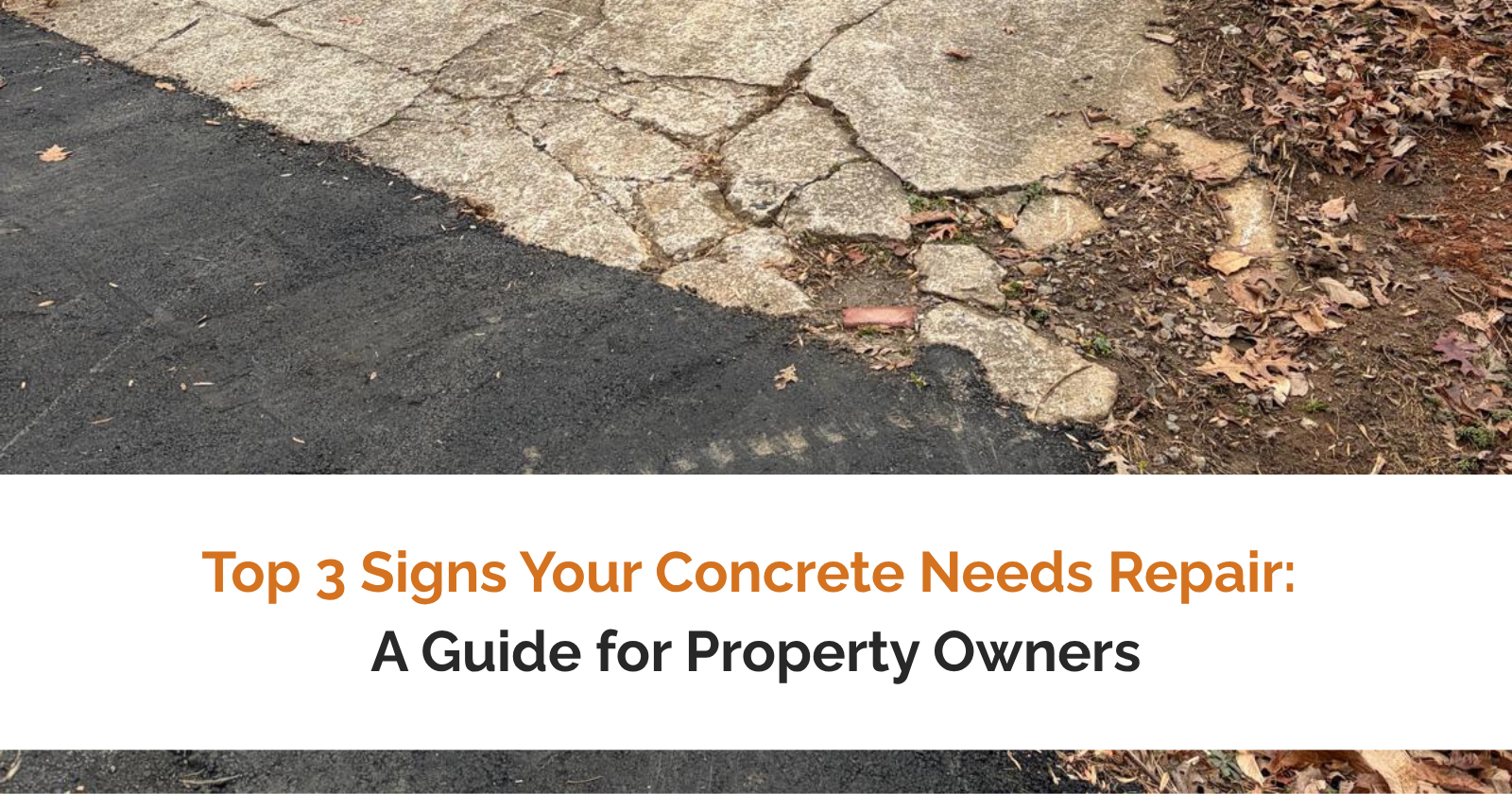
- Surface cracking and uneven slabs
- Foundation settlement over time
- Drainage failures and water intrusion
These issues typically appear months or years after construction, when repairs are more disruptive and expensive. Investing in proper site preparation for concrete significantly reduces these long-term risks.
Preventive preparation is always more cost-effective than corrective repairs.
Site Preparation as a Quality Benchmark
For experienced concrete professionals, site preparation reflects overall workmanship standards. A project that begins with careful planning and ground preparation is far more likely to meet performance expectations throughout its lifespan.
Quality preparation demonstrates attention to detail, risk management, and respect for structural principles that cannot be corrected once concrete is placed.
This approach is essential for builders, developers, and property owners focused on durability rather than short-term savings.
Conclusion: Strong Concrete Starts Below the Surface
Long-lasting concrete does not happen by accident. It is the result of deliberate planning, skilled execution, and disciplined site preparation. From soil evaluation and grading to compaction and drainage, each step plays a direct role in how the concrete performs over time.
Proper site preparation for concrete protects structural integrity, reduces maintenance costs, and ensures consistent performance across residential and commercial projects alike. When done correctly, it forms the invisible foundation that supports visible results for decades.
Build on the Right Foundation with Eterna Concrete
Long-lasting concrete performance begins with proper site preparation for concrete. At Eterna Concrete, we prioritize precise grading, thorough soil compaction, effective drainage planning, and stable base preparation before any concrete is poured. This disciplined approach supports durability across residential, commercial, and industrial projects.
If you are planning concrete work and want experienced professionals involved from the earliest stage, Contact Us to discuss your project requirements and build with confidence from the ground up.