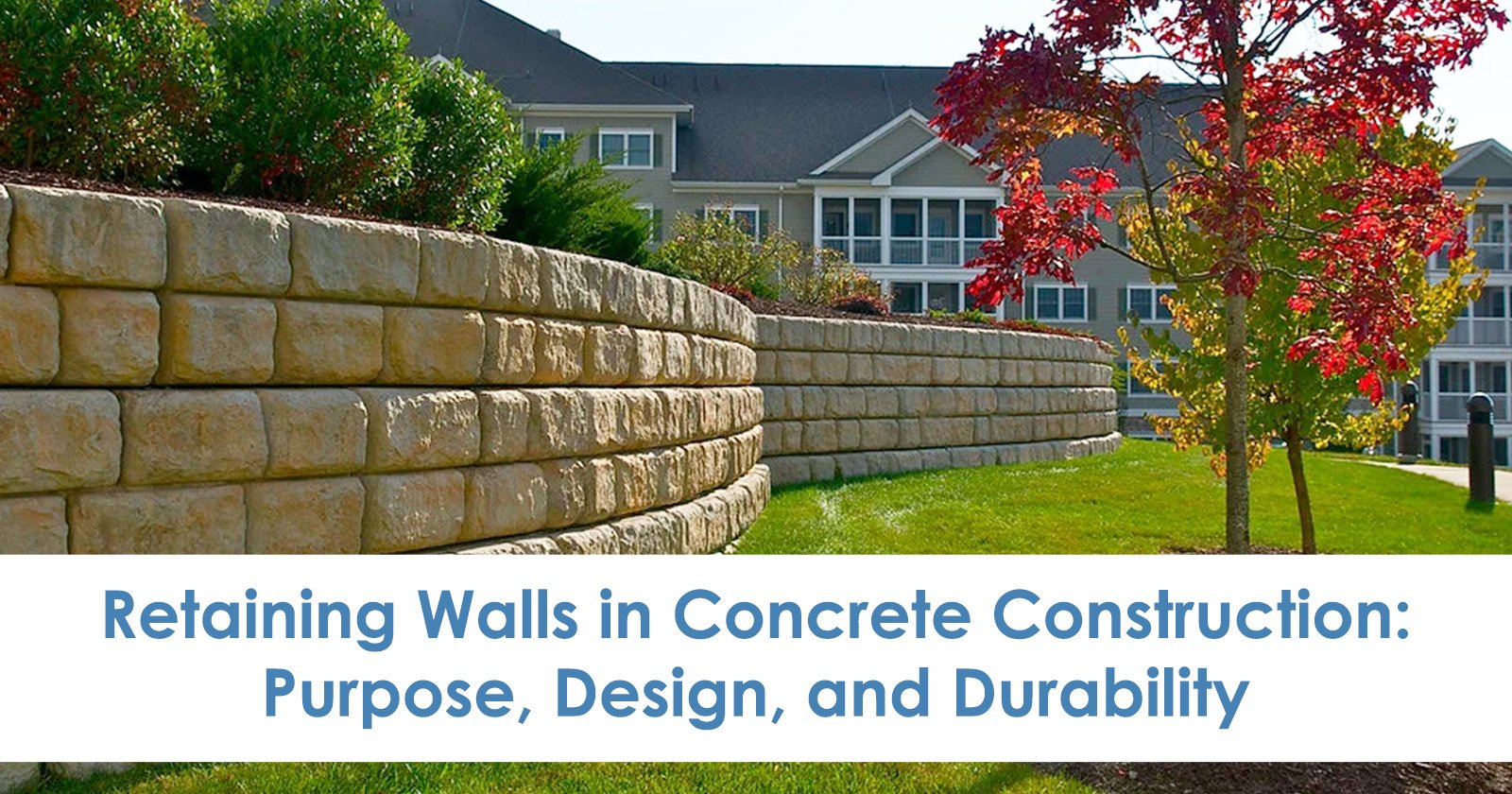
Retaining wall construction plays a vital role in modern infrastructure and commercial development. These structures are engineered to hold back soil, prevent erosion, and create usable land on sloped terrain. When properly designed and installed, concrete retaining walls provide long-term structural stability and safety.
In both residential and commercial projects, retaining walls manage elevation changes while protecting foundations, driveways, and surrounding infrastructure. Their performance depends on correct engineering principles, drainage design, and high-quality materials.
Understanding the purpose, structural design, and durability factors behind retaining wall construction ensures long-lasting results and reduced maintenance risks.
Purpose of Retaining Walls in Concrete Construction
The primary purpose of a retaining wall is to resist lateral earth pressure. Soil naturally shifts due to gravity and moisture changes, and retaining walls counteract that movement.
Concrete walls are commonly used because they offer superior compressive strength and structural reliability. This makes them ideal for projects requiring durable concrete retaining walls in high-load environments.
Retaining walls also enhance site functionality by creating level surfaces where slopes previously existed.
- Soil stabilization on sloped properties
- Protection against erosion and runoff
- Creation of buildable land for infrastructure
Key Design Considerations in Retaining Wall Construction
Effective retaining wall design begins with understanding soil type, load requirements, and drainage conditions. Poor design can lead to structural failure or excessive movement over time.
Engineers calculate lateral earth pressure and factor in surcharge loads from vehicles, structures, or equipment. Reinforcement and footing depth are determined based on these forces.
- Proper footing depth below frost line
- Reinforced concrete with steel support
- Adequate drainage systems behind the wall
Correct design is the foundation of successful retaining wall construction.
Importance of Drainage in Wall Durability
Water accumulation is one of the leading causes of retaining wall failure. Hydrostatic pressure builds behind walls when drainage is inadequate.
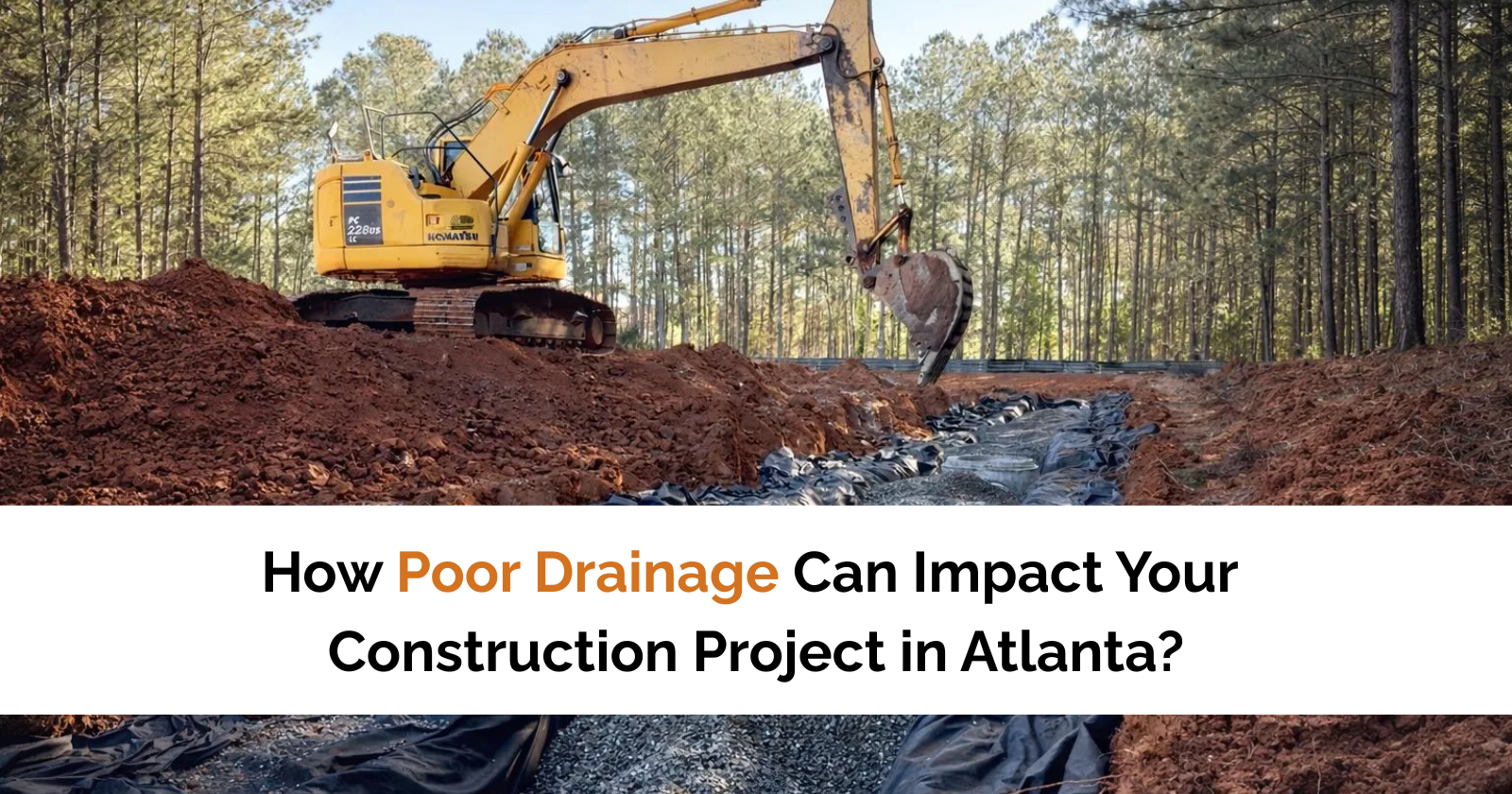
Drainage systems, such as weep holes and gravel backfill, reduce pressure and extend wall lifespan. Without proper drainage, even strong concrete retaining walls can crack or shift.
Effective water management significantly improves overall retaining wall durability.
Durability Factors in Concrete Retaining Walls
Concrete is widely chosen because of its resistance to weather, moisture, and structural stress. However, durability depends on proper mix design and installation practices.
- High-strength concrete mix with proper curing
- Reinforcement to prevent cracking
- Protection against freeze-thaw cycles
When executed correctly, concrete retaining walls can last several decades with minimal maintenance.
Structural Reinforcement and Load Management
Retaining walls must resist both vertical loads and horizontal earth pressure. Reinforced concrete improves tensile strength, which plain concrete lacks.
Steel reinforcement bars distribute stress and prevent brittle failure. This combination enhances overall retaining wall durability under dynamic conditions.
Professional oversight ensures reinforcement placement aligns with engineering specifications.
Why Concrete Is Preferred for Infrastructure Applications
Concrete remains a trusted material for retaining walls due to its compressive strength and long-term performance. It withstands environmental exposure better than many alternative materials.
In commercial and infrastructure projects, retaining walls must perform consistently under heavy loads. Properly engineered concrete walls provide that reliability.
This makes retaining wall construction a critical component of durable site development.
Build Durable Retaining Walls with Trusted Professionals
Successful retaining wall construction requires experience, structural knowledge, and attention to detail. At Eterna Concrete, we design and build reliable concrete retaining walls engineered for long-term performance.
If your project requires expert planning and durable results, Contact Us to discuss your retaining wall needs with our professional team.
Frequently Asked Questions
1. What is retaining wall construction?
Retaining wall construction involves building structures designed to hold back soil and prevent erosion on sloped land.
2. How long do concrete retaining walls last?
With proper design and drainage, concrete retaining walls can last 50 years or more.
3. What causes retaining wall failure?
Common causes include poor drainage, inadequate reinforcement, and improper soil compaction.
4. Is drainage necessary in retaining wall construction?
Yes. Drainage prevents hydrostatic pressure buildup, which can compromise structural integrity.