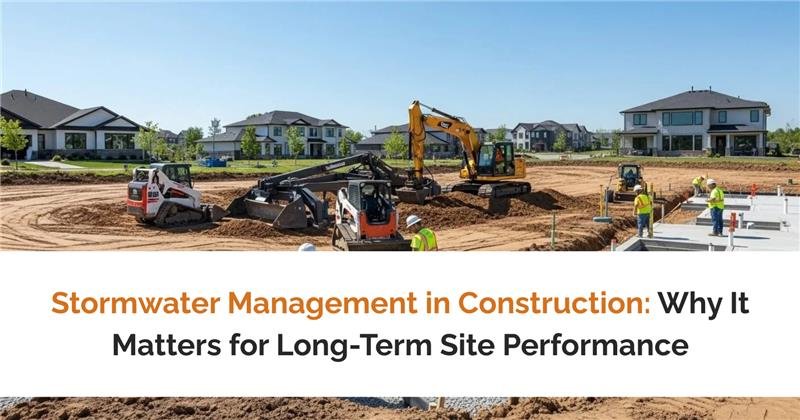
The performance of any engineered concrete structure depends entirely on the hidden earth beneath it. Pouring high-strength concrete over unmanaged or poorly compacted ground is one of the most reliable ways to guarantee premature cracking, shifting, and structural failure.
To achieve a flat, durable finish that successfully resists heavy loads and changing weather, you must focus heavily on the underlying soil strata. Proper site preparation creates a uniform, predictable foundation that ensures your structural investment survives for decades.
The Critical Role of Subgrade Stability
The natural, in-place soil at a construction site is known as the subgrade layer. This layer acts as the primary support system for both the gravel subbase and the final concrete slab structure.
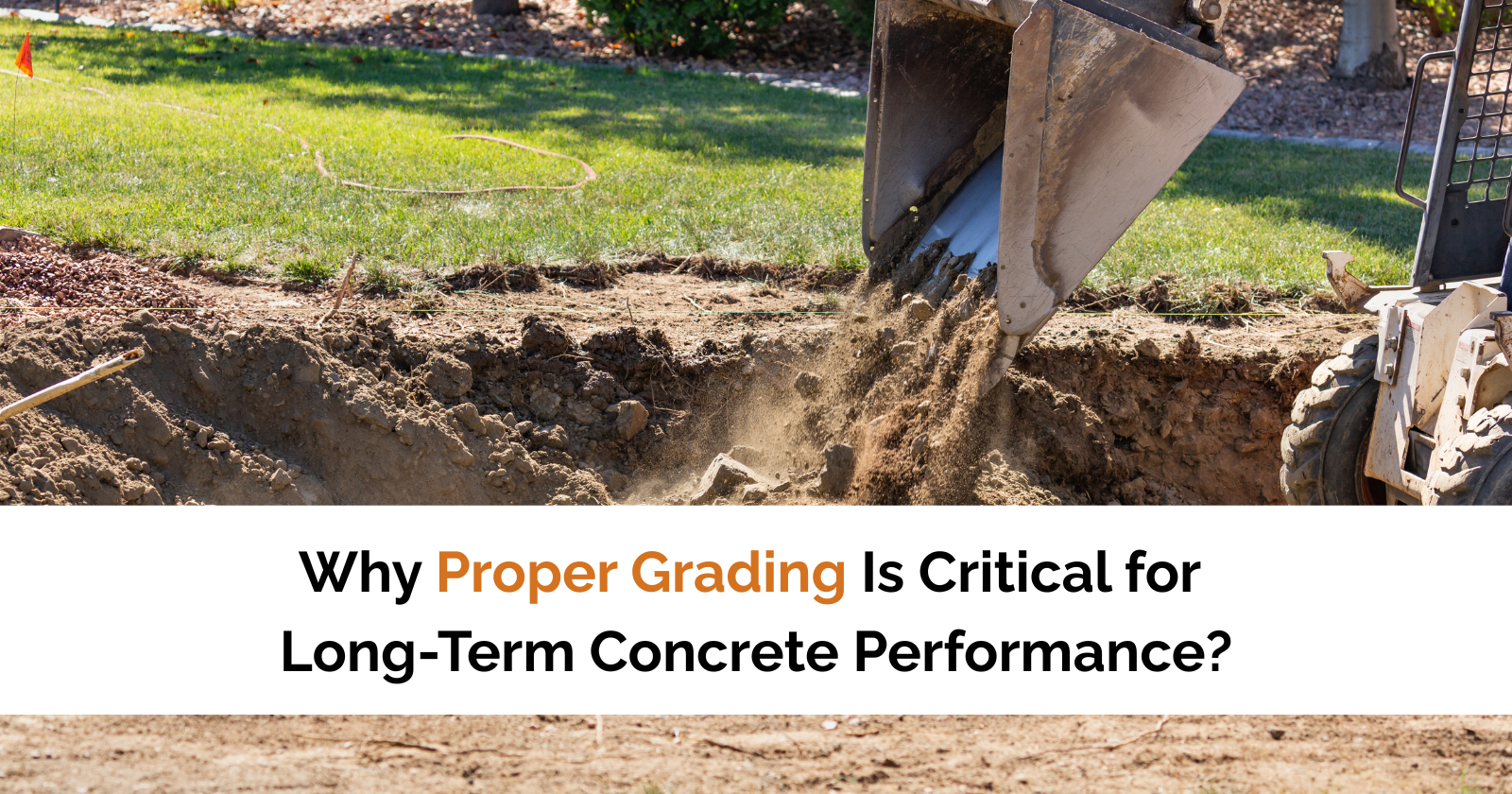
Unprepared soil often contains varying pockets of moisture, organic matter, and voids that cannot support heavy concrete loads. Professional site preparation removes these weak zones to establish uniform bearing capacity across the entire footprint of your pour.
According to the American Concrete Institute, uniform subgrade support is significantly more critical to the long-term lifespan of a rigid concrete slab than increasing the thickness of the concrete itself. Poor groundwork quickly compromises expensive finishes.
How Complex Soils Impact Concrete Performance
Different geographic regions present distinct geological challenges that directly alter how you must handle your initial earthwork. For instance, low areas with high water tables require specific gravel capillary breaks to stop water from migrating upward.
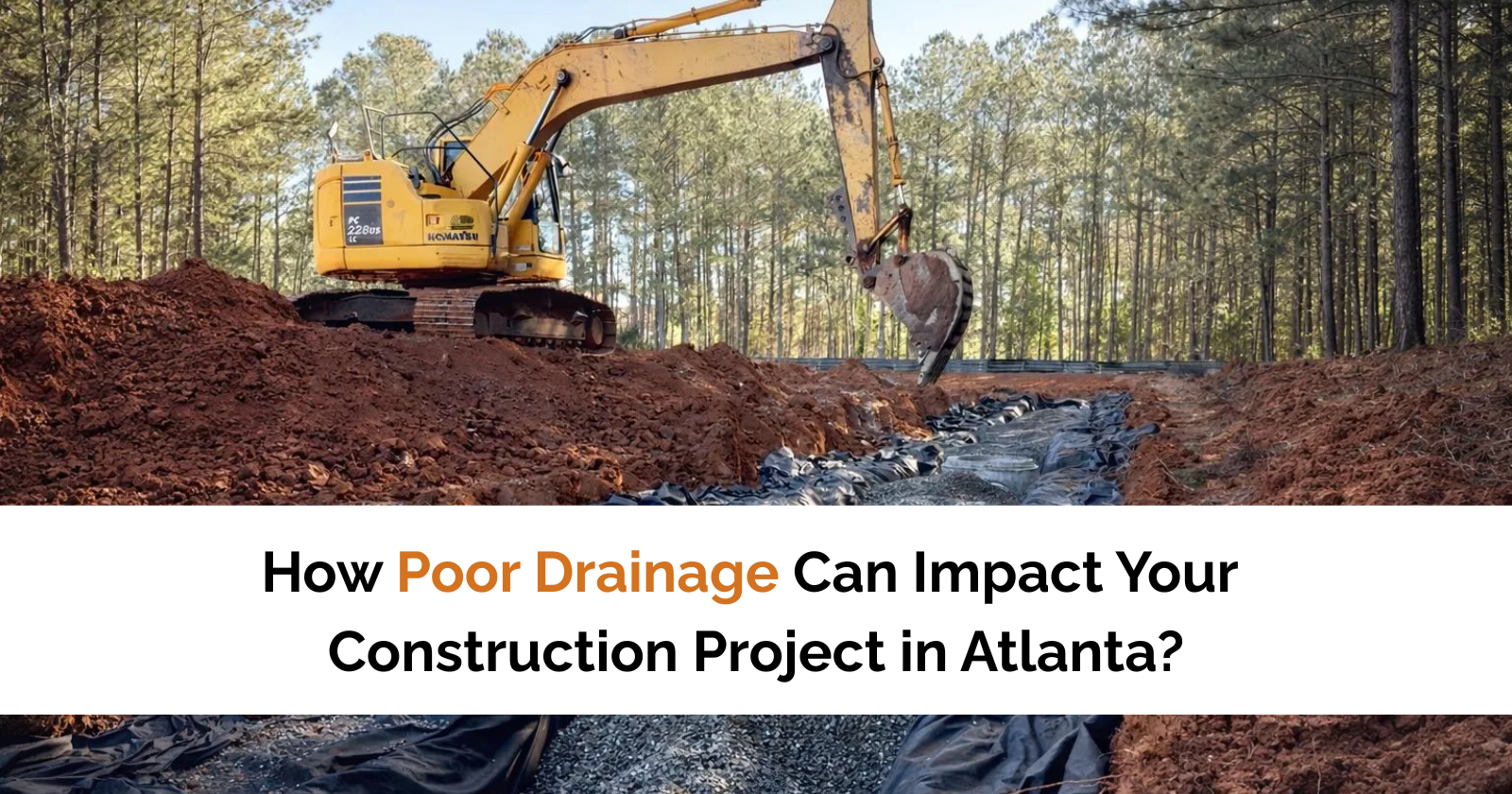
In areas featuring dense clay, like the expansive site preparation red clay Georgia builders encounter, the soil expands up to fifty percent when wet and shrinks during dry spells. Failing to properly treat or moisture-condition these expansive clay soils before installing concrete leads to severe foundation heaving and deep structural cracking.
Essential Steps in Professional Soil Preparation
Achieving a flawless pour requires a systematic approach to altering the raw physical characteristics of your build site. Neglecting the hidden mechanics of the dirt always leads to structural shifting as the seasons change.
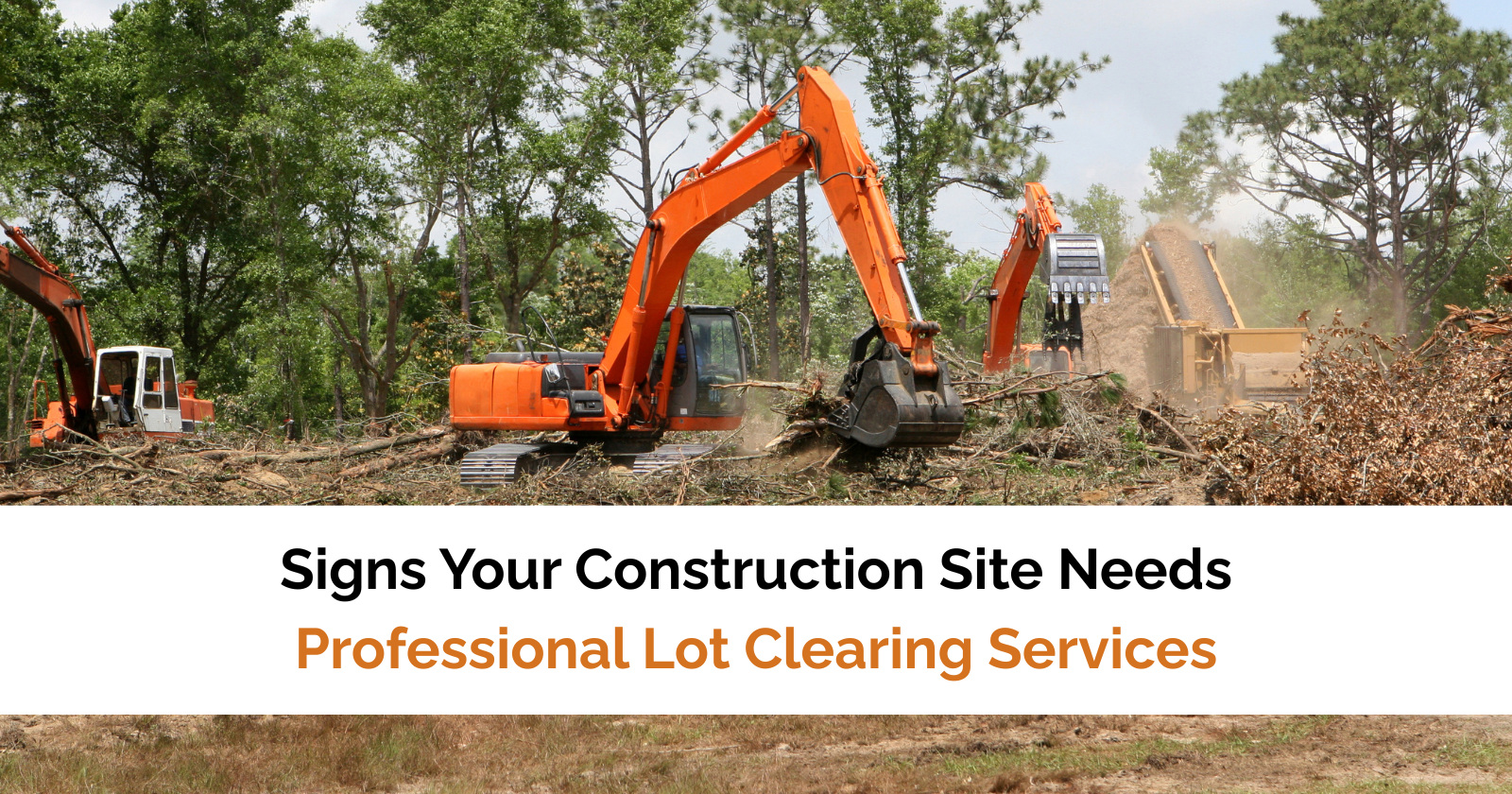
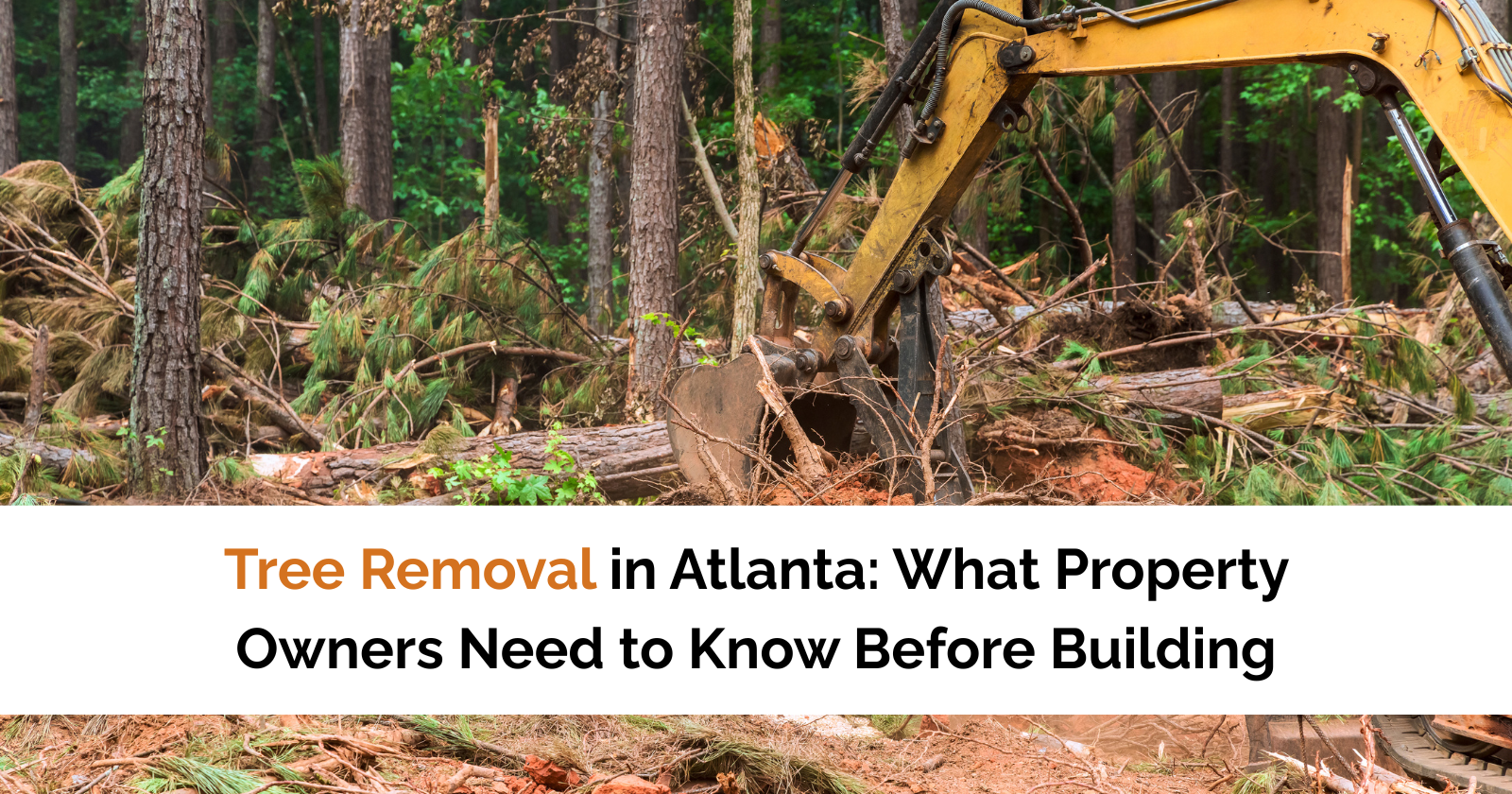
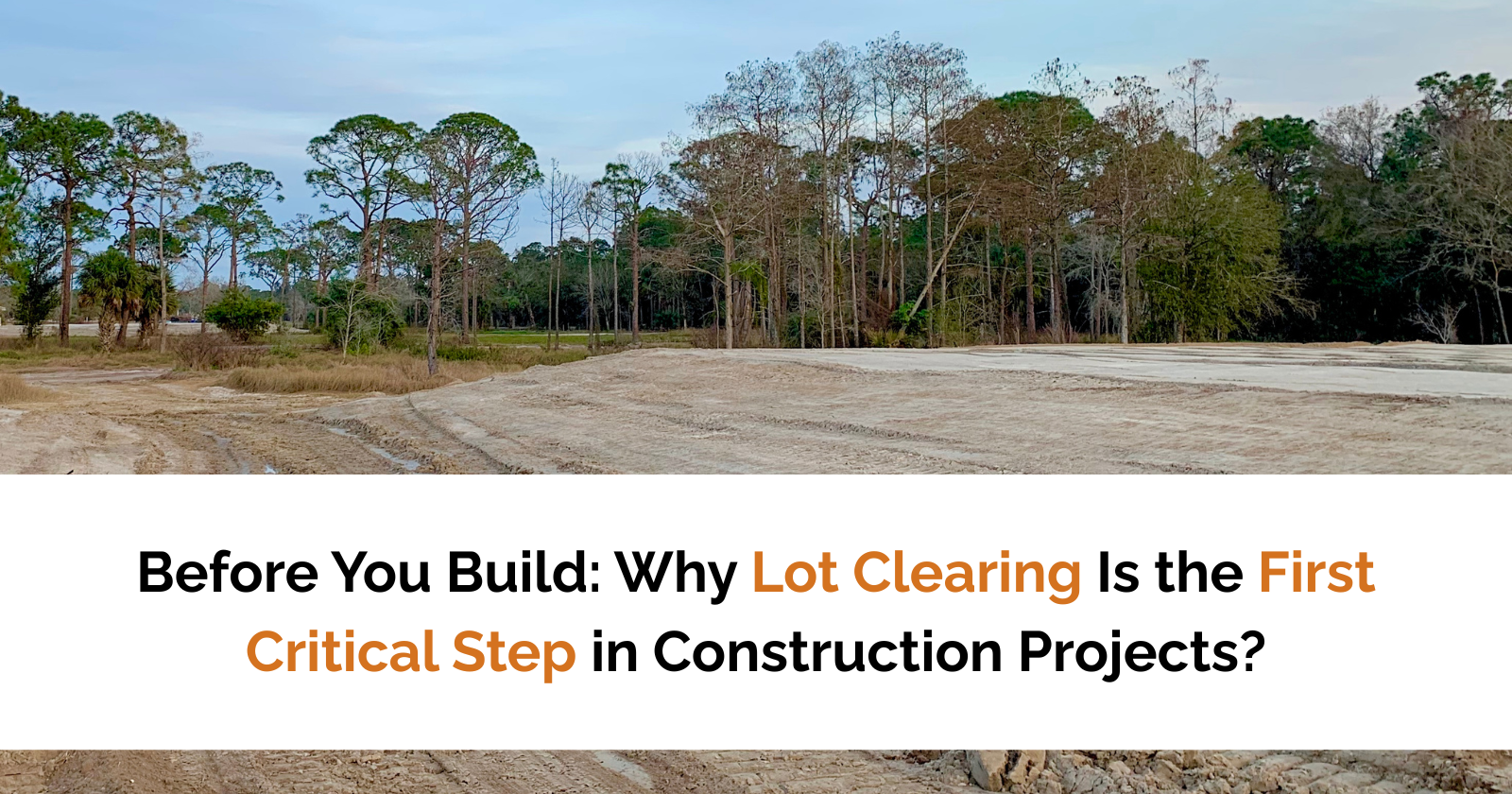
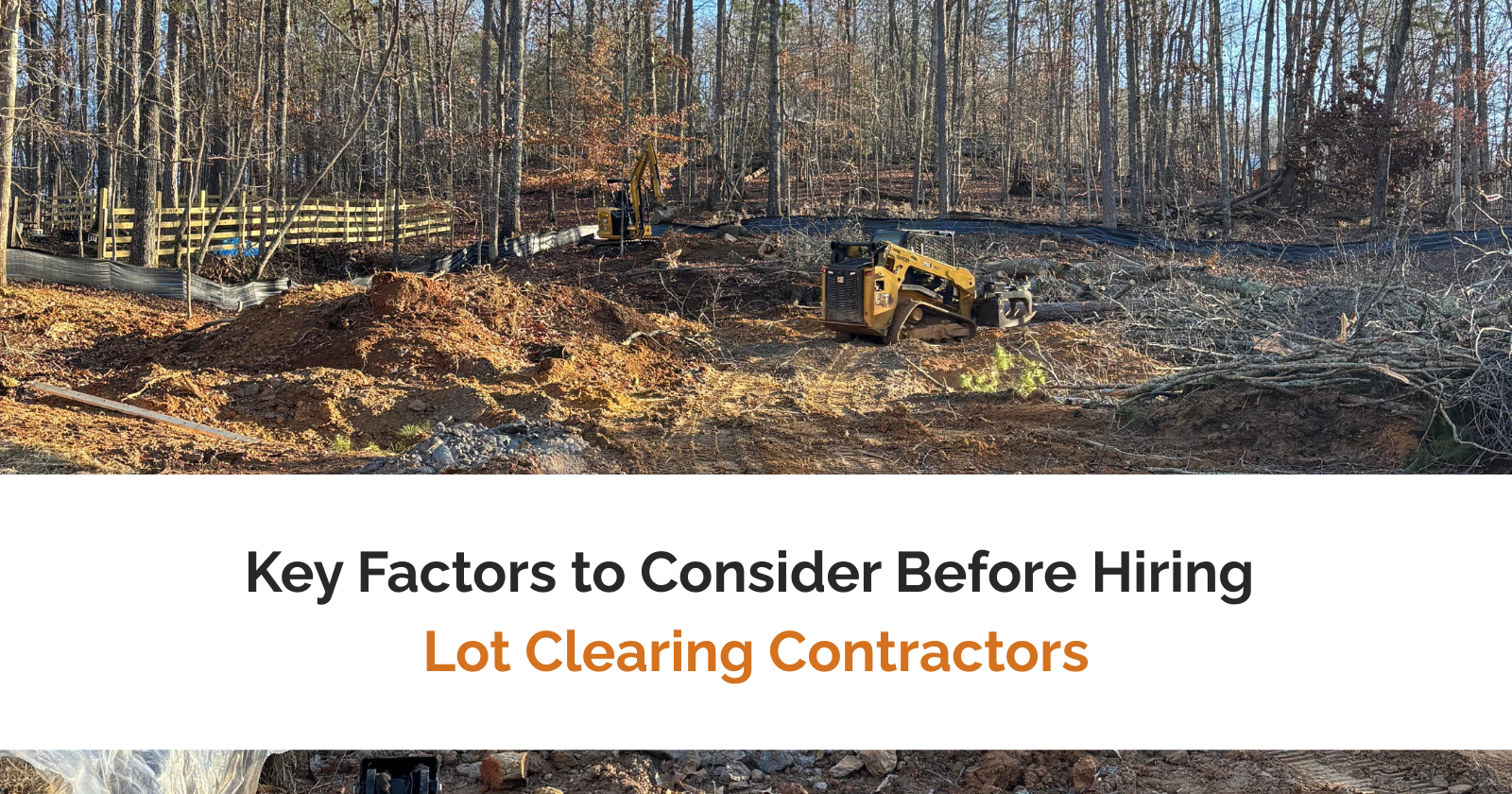
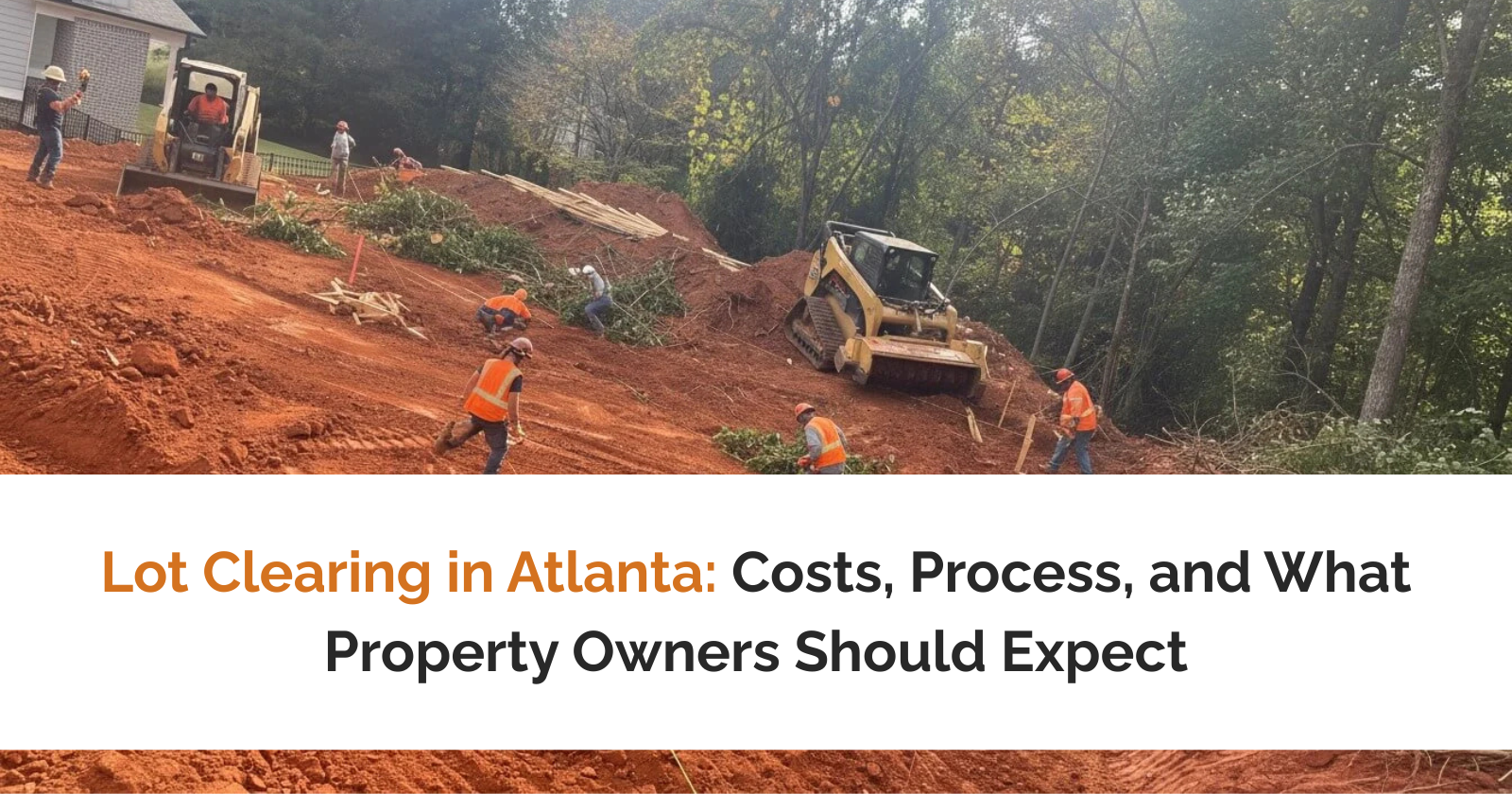
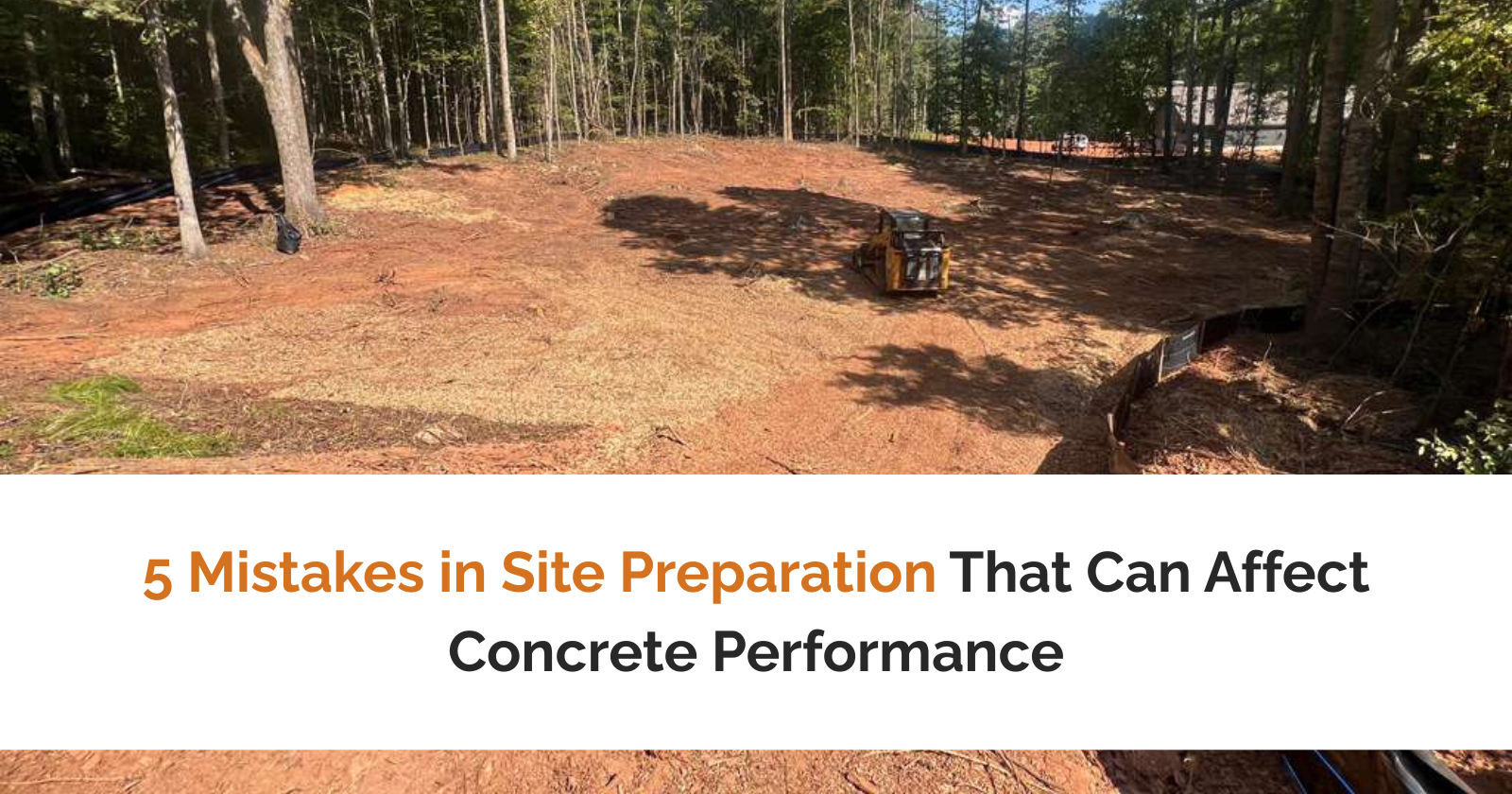
- Clearing and Grubbing involves stripping away all surface vegetation, buried tree roots, sod, and loose organic topsoil from the building footprint. Organic matter naturally decomposes over time, leaving underground voids that cause the concrete slab to sink and crack.
- Soil Testing evaluates the exact moisture content, plasticity index, and maximum dry density of the earth using standard lab testing. This critical data tells field technicians precisely how much water to add or remove to achieve ideal compaction levels.
- Moisture Conditioning adjusts the soil water content to hit its optimum rating right before crews apply heavy mechanical pressure. If the earth is too dry, particles will not lock together, and if it is too wet, trapped water prevents a tight bond.
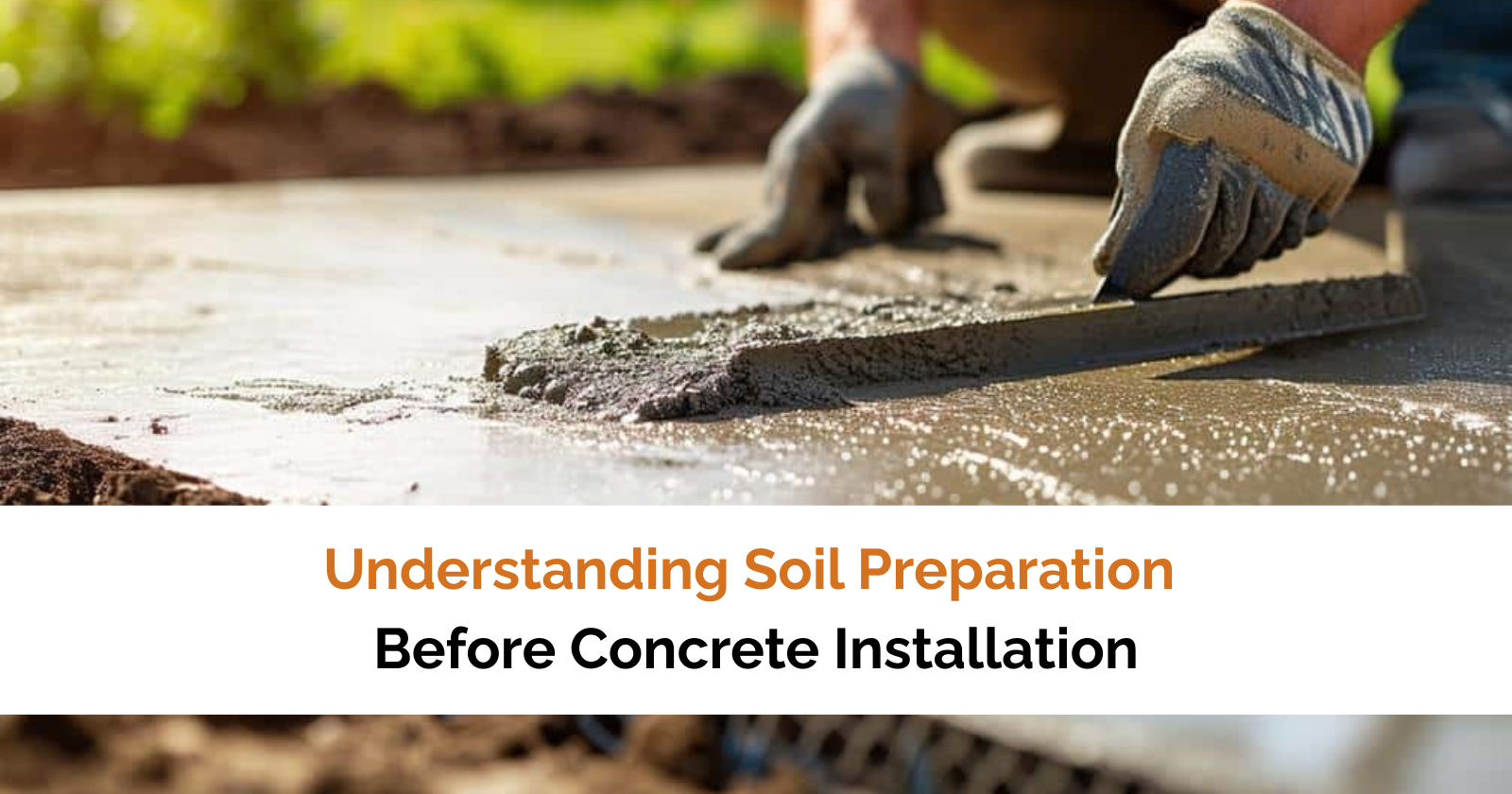
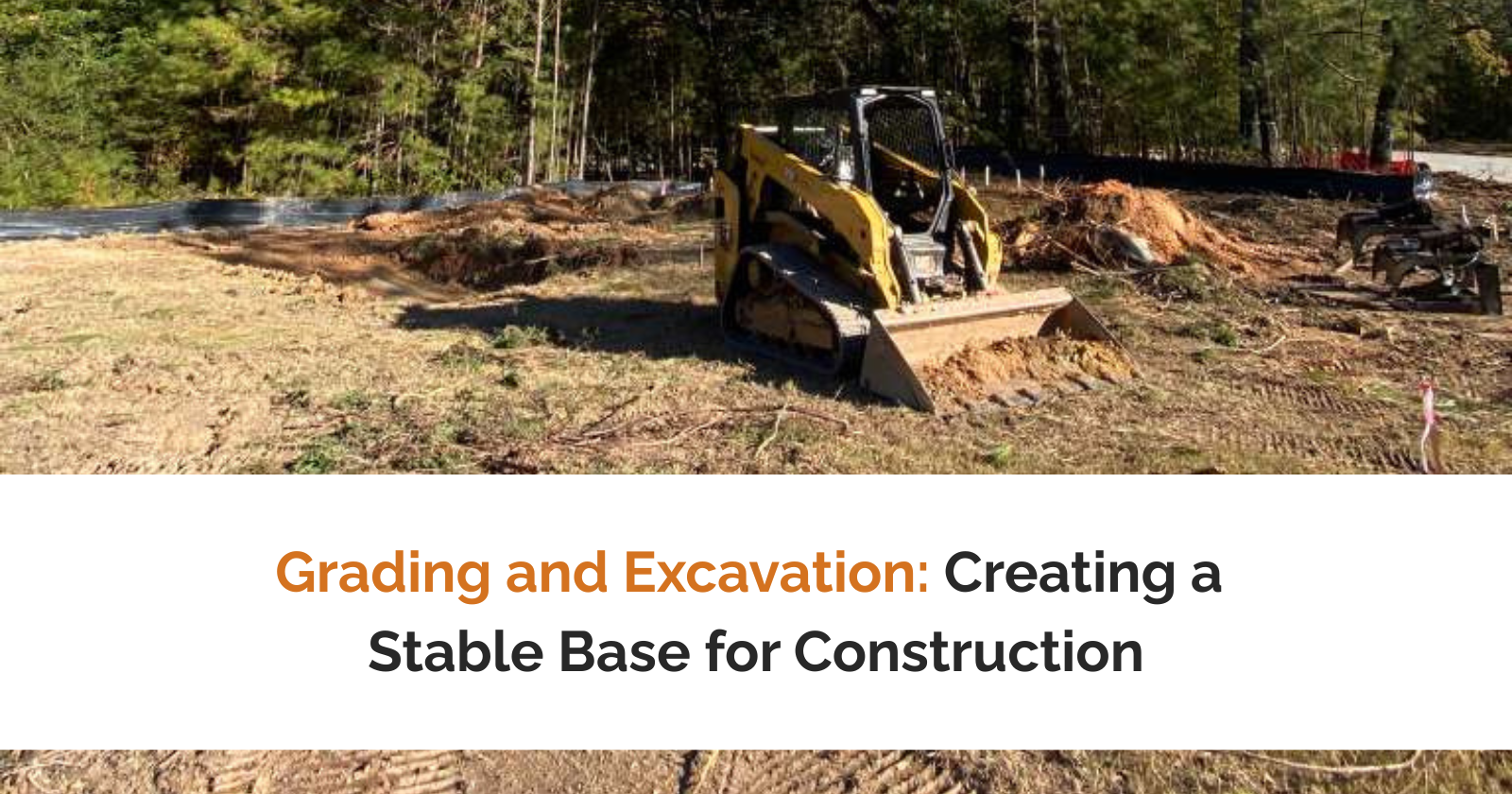
- Mechanical Compaction applies heavy vibratory rollers across the soil in uniform lifts until achieving a minimum of ninety-five percent maximum dry density. High density eliminates future soil settlement under heavy vehicular or structural loads.
Preventing Concrete Failure with Engineered Subbases
Once the native earth is fully compacted, adding a layer of well-graded crushed stone or gravel creates a robust subbase. This engineered stone layer fills minor grading imperfections and acts as an essential drainage plane beneath your concrete pour.
A clean gravel subbase distributes heavy structural loads smoothly across the underlying lot clearing footprint, reducing localized stress points. It also prevents capillary action from pulling groundwater up into the porous underside of your curing concrete slab.
Long-Term Financial Benefits of Proper Dirt Work
Investing in professional earth preparation saves significant capital by preventing future foundation repairs and commercial structural interventions. Mudjacking, deep foam injection, and total slab replacement costs far more than doing the initial dirt work correctly.
By partnering with an expert team to execute your commercial lot clearing and grading, you protect your pathways, floors, and driveways from premature erosion. A stable base ensures the concrete cures evenly, reaches its full design strength, and maintains its visual appeal over time.
Frequently Asked Questions
Q. What happens if you pour concrete directly onto unprepared soil?
Pouring concrete directly over unprepared soil causes the slab to settle unevenly as the uncompacted earth shifts under weight. This movement creates severe tensile stress within the concrete, leading to major structural cracks, surface sinking, and complete breakdown of the slab matrix.
Q. How does site preparation affect concrete installation in clay soils?
Clay soils swell significantly when wet and shrink when dry, which creates continuous vertical movement beneath a foundation. Proper site preparation involves testing the clay, stabilizing it with lime if necessary, and compacting it at optimum moisture to minimize future shifting.
Q. What density should subgrade soil reach before pouring concrete?
Subgrade soil should be mechanically compacted until it reaches at least ninety-five percent of its maximum dry density as determined by a laboratory Proctor test. Achieving this exact density rating ensures the earth is tight enough to prevent future settling under heavy loads.
Q. Why must organic matter be removed during lot clearing services?
Organic materials like roots, leaves, and topsoil decompose over time when buried beneath a heavy concrete slab. As this organic matter rots away, it leaves empty pockets and underground voids that cause the heavy concrete above to collapse inward.
Q. Does a gravel subbase replace the need for compacting the underlying soil?
No, a gravel subbase does not replace the need for proper native soil compaction. The gravel layer must rest upon a rock-solid, fully compacted subgrade to distribute structural weight evenly and prevent the stone from sinking down into soft earth.
Secure Your Construction Foundation with Eterna Concrete
Partnering with a disciplined and result-driven contractor keeps your build safe, efficient, and fully aligned with local building laws. The expert team at Eterna Concrete provides comprehensive, professional site management, precision masonry, and infrastructure solutions designed to prepare your land flawlessly for structural development.