Introduction
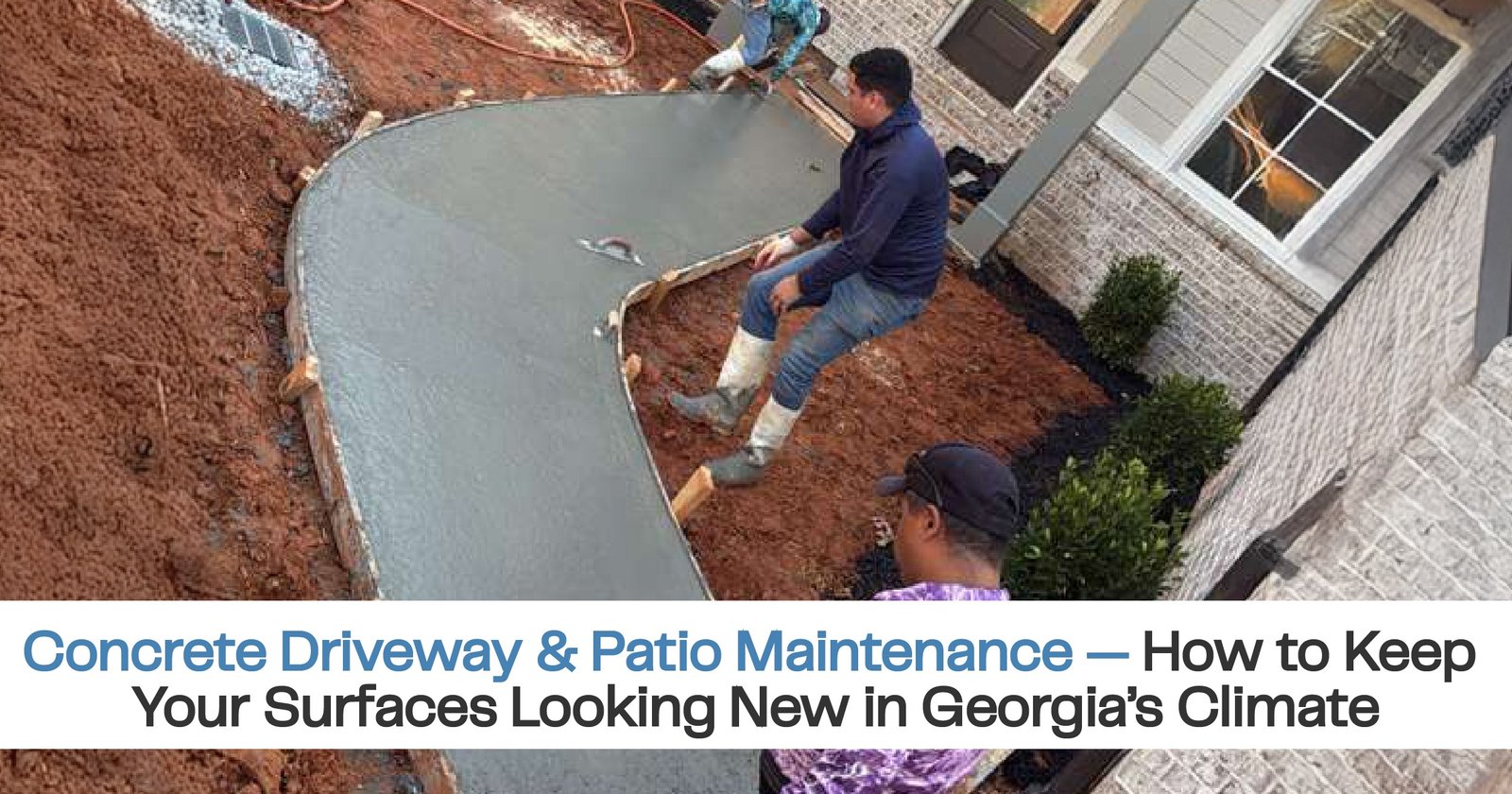
A concrete driveway, patio, or walkway is one of the best long-term investments a homeowner, property manager, or real estate broker can make. Concrete adds curb appeal, increases property value, and provides a durable, low-maintenance surface for everyday use.
But Atlanta’s unique climate — hot summers, fluctuating humidity, occasional cold snaps, and heavy rain — can gradually affect concrete if not cared for properly.
Whether you’re a homeowner, a property manager responsible for tenant safety, or a broker preparing a property for sale, proper maintenance ensures your concrete surfaces stay attractive, strong, and long-lasting.
This comprehensive guide covers everything you need to know about maintaining concrete in Georgia’s weather conditions.
How Georgia Weather Affects Concrete
Georgia may not experience extreme winters like northern states, but its climate brings its own challenges:
1. Heat & UV Exposure
High temperatures and intense sunlight can:
- Fade decorative concrete colors
- Break down sealants faster
- Cause the surface to dry out and weaken over time
2. Heavy Rain & Moisture
Frequent rainstorms can lead to:
- Water penetration
- Erosion around slabs
- Growth of mold, mildew, and algae
3. Occasional Freeze–Thaw Cycles
Though Georgia freezes only a few times a year, freeze-thaw cycles can still:
- Widen existing cracks
- Cause surface flaking (spalling)
- Allow water to expand inside concrete pores
4. Soil Shifting
Georgia’s soil contains clay in many regions. This can expand and contract with moisture, creating:
- Uneven slabs
- Settlement cracks
- Lifting at joints
Understanding these factors helps tailor a maintenance routine that actually works for Atlanta-area properties.
Common Issues Concrete Surfaces Face Over Time
• Stains
Driveways and patios often face stains from:
- Oil
- Rust
- Tire marks
- Organic debris (leaves, pollen, tree sap)
Georgia’s long pollen season especially contributes to yellow and green staining.
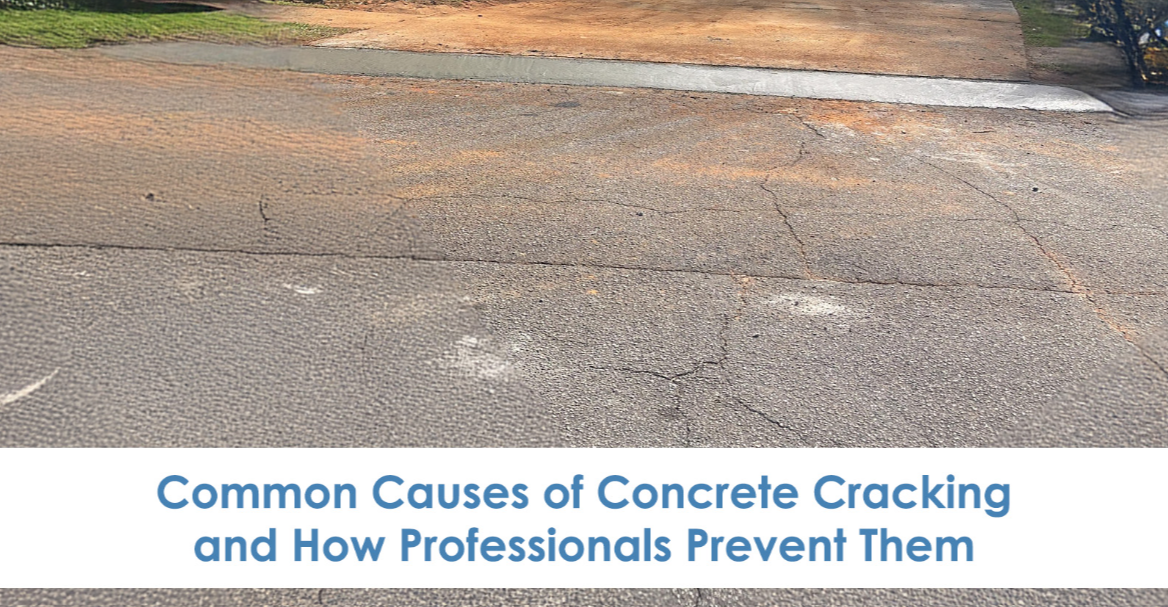
• Cracks & Hairline Fractures
These often appear from:
- Soil movement
- Drying shrinkage
- Weather exposure
Without early repair, small cracks can become major issues.
• Spalling (Surface Chipping)
Caused by moisture and aging, spalling affects:
- Driveways
- Walkways
- Pool decks
It makes the surface rough and unattractive.
• Fading & Sealant Breakdown
Decorative concrete — stamped, colored, stained — especially loses vibrance without re-sealing.
1. Routine Cleaning: The Foundation of Good Concrete Care
Routine cleaning is the most underrated maintenance step.
Homeowners
- Sweep weekly to remove leaves, pollen, and dirt
- Rinse with mild soap + water every 2–3 months
- Avoid harsh chemicals — they strip sealant
Property Managers
- Schedule professional cleaning twice a year
- Prevent debris buildup in multi-unit properties
- Reduce slip hazards caused by algae growth
Brokers
- Clean surfaces before listing the property for photos / showings
- A clean driveway significantly boosts curb appeal
2. Treat Stains Immediately
Leaving a stain for days or weeks can cause permanent discoloration.
For Oil & Grease
- Blot with absorbent material
- Clean using a concrete-safe cleaner
- Avoid scrubbing aggressively — it damages the surface
For Rust Stains
- Remove metal items (old grills, furniture, tools)
- Clean with gentle rust removers suitable for concrete
For Leaf & Organic Stains
- Sweep regularly
- Avoid letting wet leaves sit on the slab
- Use soft brushes for stain removal
3. Seal Concrete Every 2–3 Years
Sealing is the secret to long-lasting concrete — especially in Georgia.
Why Sealing Is Important
- Protects against heat and UV damage
- Prevents water penetration
- Reduces staining
- Enhances the look of decorative concrete
Which Surfaces Need Sealing?
- Driveways
- Patios
- Walkways
- Stamped concrete
- Colored or stained concrete
- Pool decks (especially important for slip resistance)
Who Benefits Most?
- Homeowners: longer lifespan, less repair cost
- Property managers: safer walkways for tenants
- Brokers: makes surfaces look newer before selling
4. Inspect Annually & Repair Cracks Early
Cracks are inevitable — ignoring them is expensive.
What to Look For
- Hairline cracks
- Surface holes
- Uneven slabs
- Joint separation
Why Early Repair Matters
- Prevents water seepage
- Stops cracks from widening
- Avoids trip hazards
- Minimizes structural damage
Best Practice:
Do an inspection before summer and after heavy rainy seasons.
5. Avoid Excessive Weight & Impact
Concrete is strong, but not indestructible.
Homeowners
- Don’t park heavy equipment or oversized vehicles on thin slabs
- Use furniture pads under metal patio furniture
Property Managers
- Ensure maintenance vehicles don’t overload sidewalks
- Prevent dumpsters or delivery trucks from sitting on slabs
Brokers
- Advise sellers to protect driveways before property showings
Seasonal Maintenance Tips for Georgia Homeowners & Businesses
SPRING
- Clean pollen, mold, and grime
- Inspect cracks caused by winter
- Re-seal if needed
SUMMER
- Avoid dragging metal items on hot concrete
- Rinse frequently to reduce heat buildup
- Watch for tire marks (hot asphalt + hot concrete = stains)
FALL
- Remove fallen leaves quickly
- Prevent rust from outdoor furniture
- Clear gutters to avoid water runoff near driveways
WINTER
- Avoid using salt or harsh de-icers
- Use sand-based products for traction
- Check for pooling water after rain
Audience-Specific Takeaways
For Homeowners
- Clean quarterly and seal every 2–3 years
- Address cracks immediately
- Boost curb appeal and property value
For Property Managers
- Implement a scheduled maintenance cycle
- Reduce liability from cracks or slippery surfaces
- Extend lifespan of community pathways and parking areas
For Real Estate Brokers
- Well-maintained concrete improves showing quality
- Increases perceived property value
- Helps attract serious buyers
Conclusion
Concrete is one of the most durable materials — but it still needs regular care to withstand Georgia’s climate. With proper cleaning, sealing, inspection, and protection, your driveway or patio can remain beautiful and strong for decades.
If you want professional help maintaining, repairing, or upgrading your concrete surfaces, Eterna Concrete provides expert services tailored specifically for Georgia homeowners, property managers, and real estate professionals.