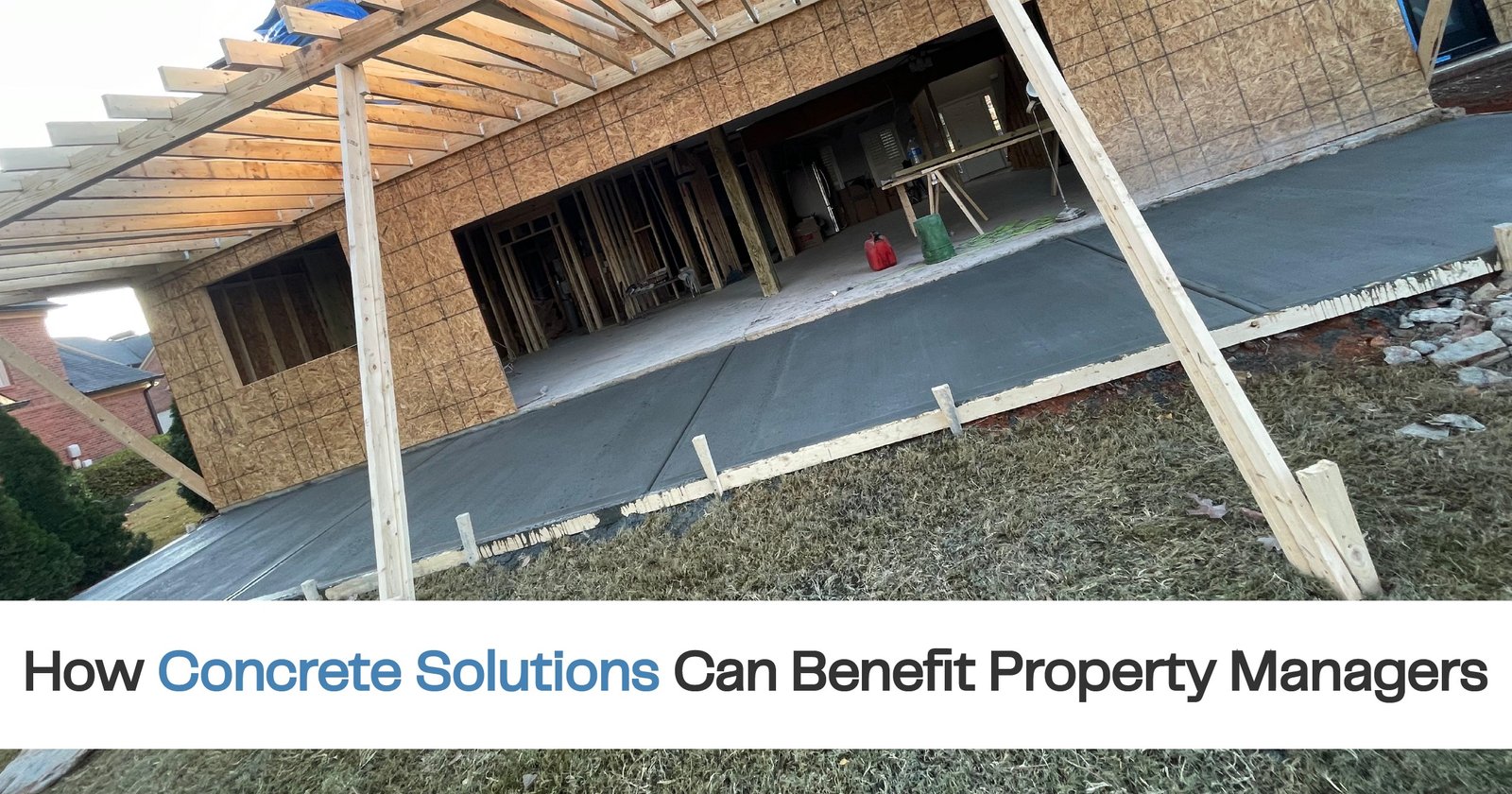
Choosing the correct concrete types for construction is one of the most critical decisions in any building project. The performance, durability, and long-term safety of a structure depend heavily on how well the concrete matches the project’s functional demands, environmental exposure, and load requirements.
For property owners, builders, and project managers evaluating options, understanding how residential and commercial concrete needs differ is essential. Professional service providers such as Eterna Concrete help bridge this knowledge gap by applying the right material specifications to real-world construction conditions.
Concrete is not a single uniform material. Variations in mix design, reinforcement, curing methods, and application determine how concrete performs over time, particularly when comparing private residential use with high-demand commercial environments.
Understanding the Purpose of Different Concrete Types for Construction
Every construction project places unique demands on concrete. Residential projects typically prioritize practicality, appearance, and moderate load capacity, while commercial structures require higher strength, tighter tolerances, and longer service life.
Concrete selection must account for usage frequency, structural loads, exposure to weather, and maintenance expectations. Ignoring these factors often results in cracking, premature wear, or costly repairs that could have been avoided with better material planning.
- Residential concrete focuses on everyday durability, surface finish, and cost efficiency
- Commercial concrete emphasizes load-bearing capacity, reinforcement, and compliance with building standards
- Infrastructure-related concrete must withstand constant stress and environmental exposure
Understanding these distinctions helps decision-makers avoid applying residential-grade materials to commercial conditions, which can compromise safety and lifespan.
Key Differences Between Residential and Commercial Concrete Applications
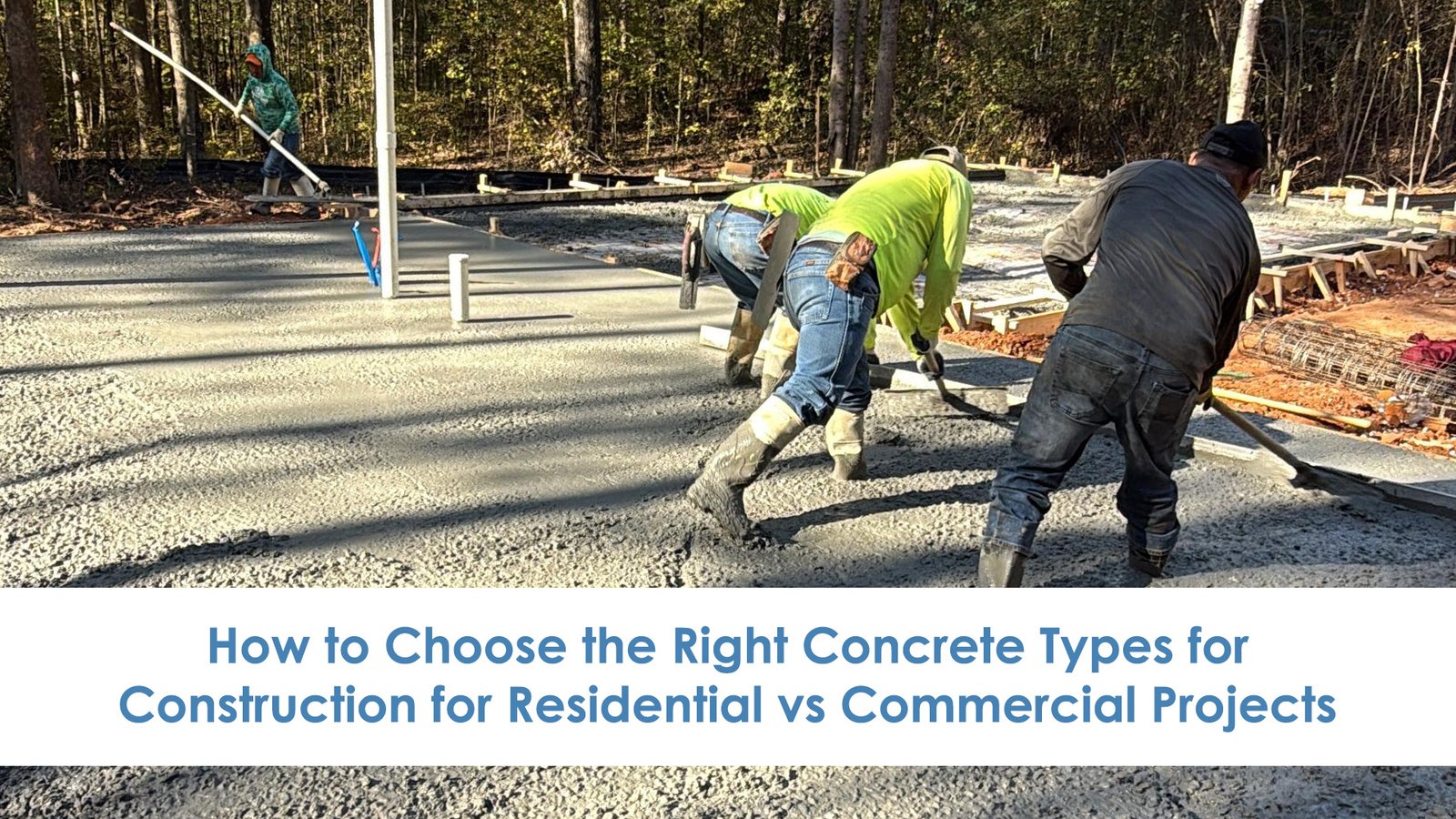
Residential concrete is commonly used for driveways, patios, walkways, and foundations supporting low-rise structures. These applications typically require moderate compressive strength and flexibility in finish design.
Commercial concrete supports significantly higher loads and heavier traffic. Office buildings, retail centers, warehouses, and parking structures rely on mixes engineered for strength, consistency, and resistance to stress over long periods.
- Commercial projects often require reinforced concrete to manage tensile forces
- Higher compressive strength is needed to support equipment and vehicle loads
- Surface durability is critical to reduce maintenance interruptions
These requirements make material selection far more technical for commercial builds than for residential ones.
Most Commonly Used Concrete Types for Construction
Several concrete types are widely used across residential and commercial projects due to their proven performance characteristics.
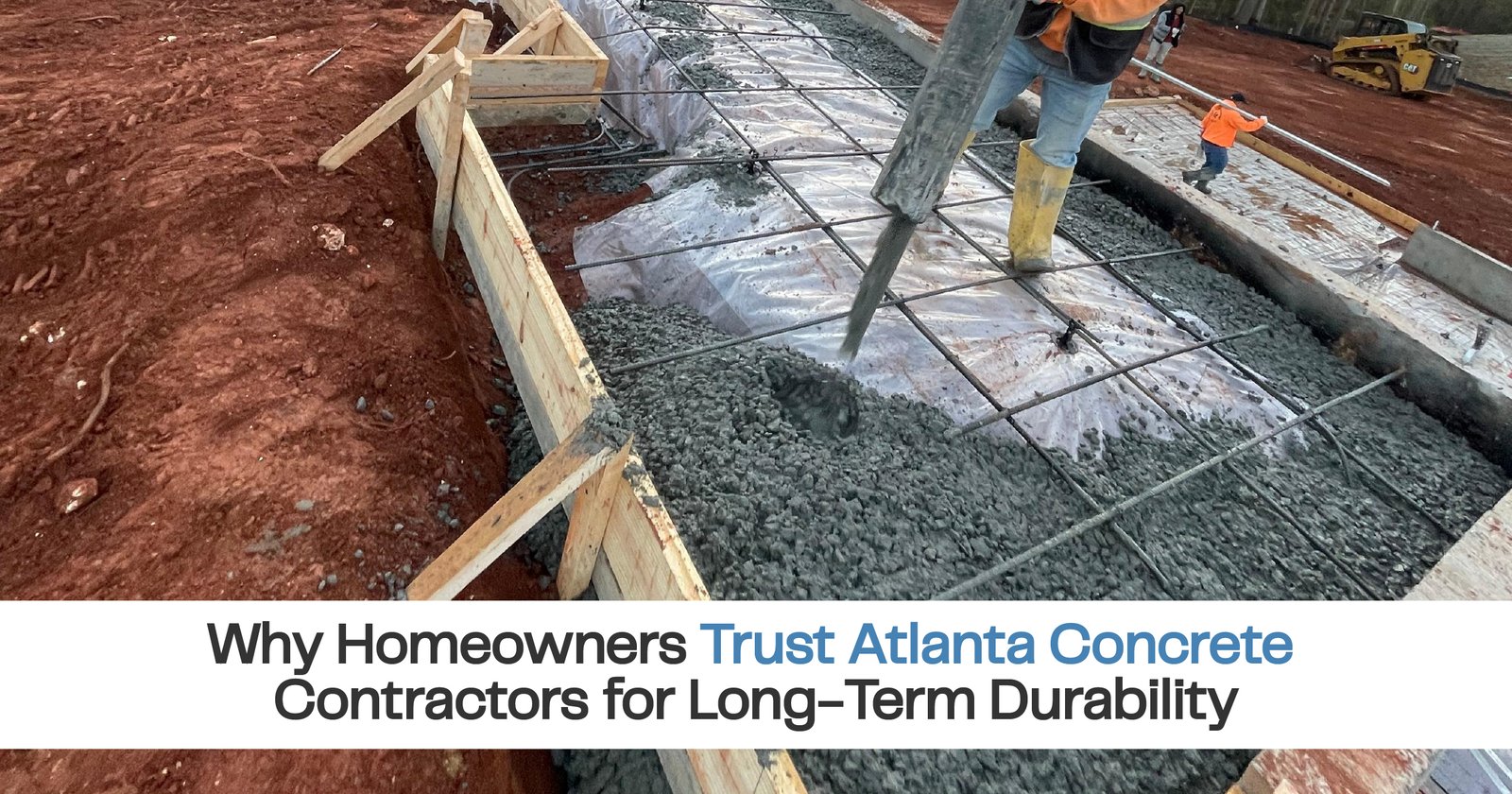
- Reinforced concrete combines concrete with steel reinforcement to improve tensile strength and structural reliability
- High-strength concrete is designed for heavy loads and demanding commercial environments
- Ready mix concrete offers consistent quality and controlled production for both residential and commercial use
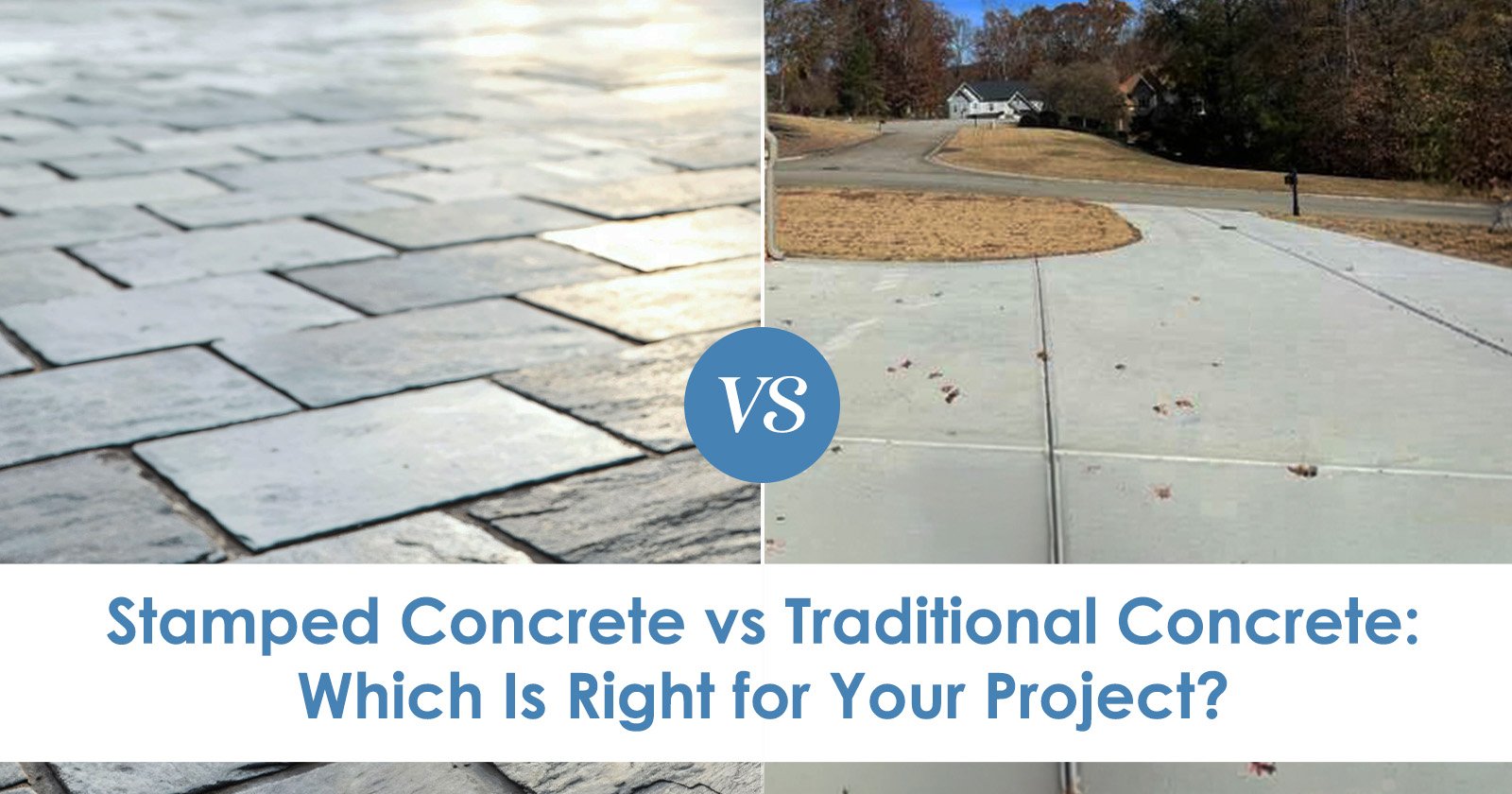
- Decorative concrete provides aesthetic flexibility without sacrificing structural integrity
- Lightweight concrete reduces dead load in certain residential and multi-level applications
Selecting among these options depends on project scale, load expectations, and environmental exposure rather than preference alone.
How Structural Load Requirements Influence Concrete Selection
Structural load is one of the most important factors when choosing concrete types for construction. Concrete must safely support both static loads, such as building weight, and dynamic loads, such as vehicle movement or equipment vibration.
- Light residential slabs may function well with standard-grade mixes
- Commercial floors require high-strength concrete to prevent long-term deformation
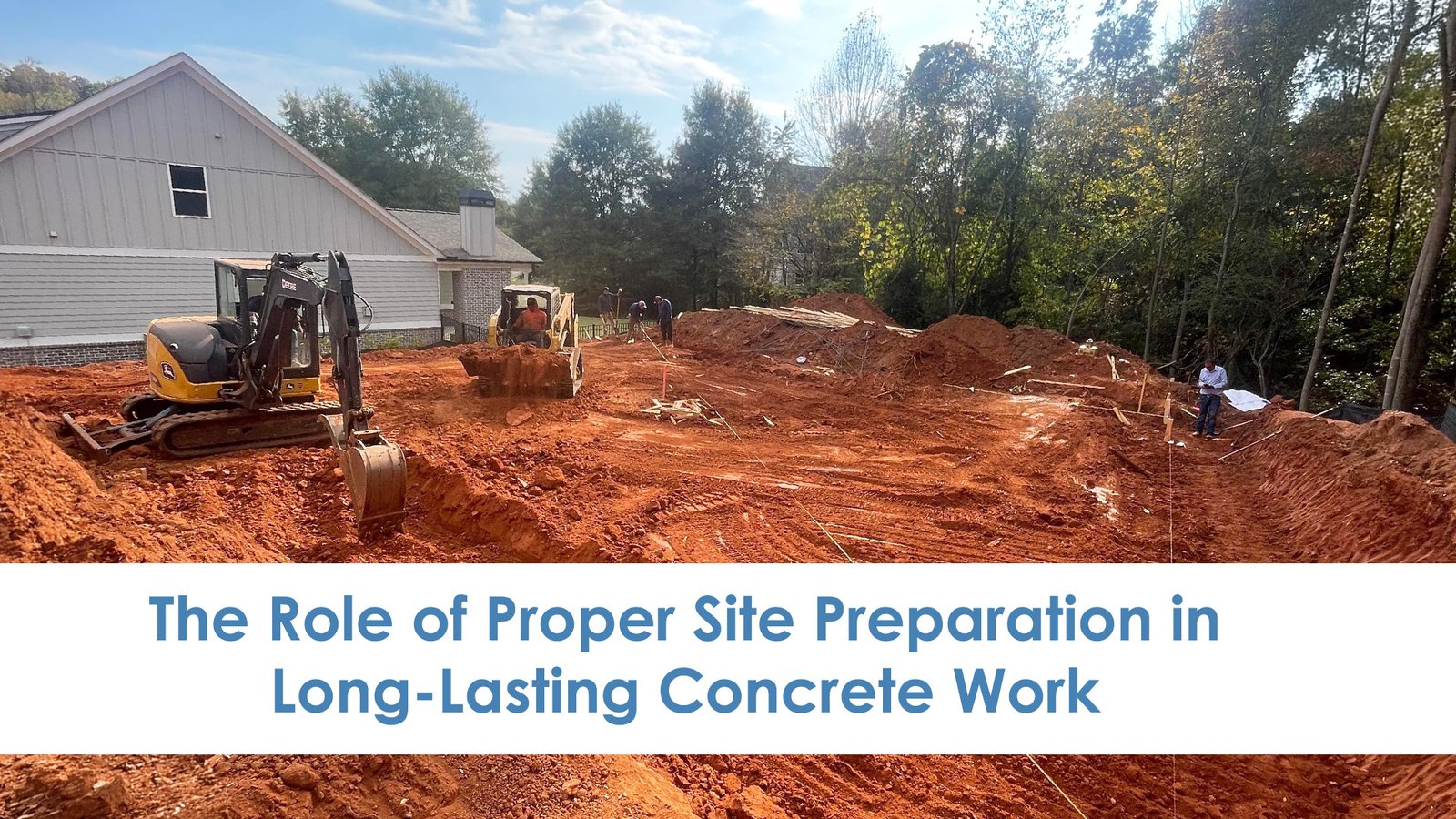
- Foundations must use concrete grades that align with soil conditions and load transfer requirements
Using concrete that is under-specified for load conditions increases the risk of cracking, settlement, and structural failure over time.
Making Informed Concrete Decisions for Different Project Types
Residential and commercial projects require different decision frameworks. Residential projects benefit from cost-effective solutions that balance durability and appearance. Commercial projects demand engineering-driven specifications that prioritize safety, longevity, and compliance.
Builders and project managers should evaluate concrete choices based on lifecycle performance rather than upfront material cost alone. Proper selection reduces maintenance, extends service life, and improves overall project value.
Why Eterna Concrete Is the Right Partner for Concrete Selection
Choosing the correct concrete types for construction requires experience, technical understanding, and real-world application knowledge. At Eterna Concrete, we work closely with homeowners, builders, and commercial project teams to deliver concrete solutions that align with structural demands and long-term performance goals.
If you are planning a residential or commercial concrete project and need expert guidance, Contact Us to discuss your requirements and ensure your project is built on a strong, reliable foundation.